







Review: 'Dashing in December' Exceeds Admittedly Low Expectations
Dashing in December follows the tried and true outline of a traditional holiday romance, with a less traditional middle-aged gay couple as the film's romantic focus.

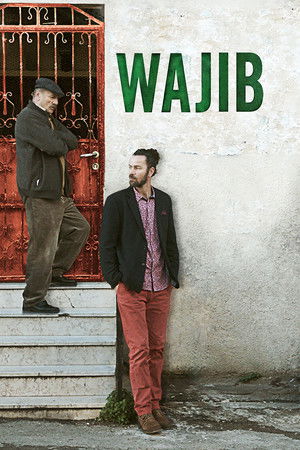


After years abroad in Italy, Shadi returns to his native Nazareth. But this is no spectacular homecoming. He's back somewhat begrudgingly to honour his "wajib" (or duty) to hand out invitations to his sister's wedding with his father. The simmering tension between the two — who are often stuck in a car, more often than not in traffic — builds, exposing the sometimes-comic chasms that exist between men who live in different worlds but share an unshakable bond.
Dashing in December follows the tried and true outline of a traditional holiday romance, with a less traditional middle-aged gay couple as the film's romantic focus.
Americans love the British monarchy. This may seem confusing because only a few short hundred years ago they were our worst enemies, and every year we celebrate our independence from them. The Crown humanizes the monarchy, which might explain its popularity.
The Slumber Party Massacre wonderfully combines the suspense of its horror with its commentary on gender, creating a memorable slasher classic that began a horror trilogy entirely written and directed by women.
It’s a cool looking Marvel character right off the page! He’s got these glowing eyes and he just kicks ass everywhere he goes, seemingly impervious to pain.
If you enjoy Japanese cinema, absurdly violent action films, gangster flicks, or joyfully strange cinema, 'Why Don’t You Play in Hell?' is a must-see.