



'Pulgasari': The Strange Story Behind North Korea's Godzilla
When we hear Korean Cinema, we often think of South Korean Cinema, but what about North Korea? Sure, North Korea has its propaganda moments, but 'Pulgasari' might be its best one yet.
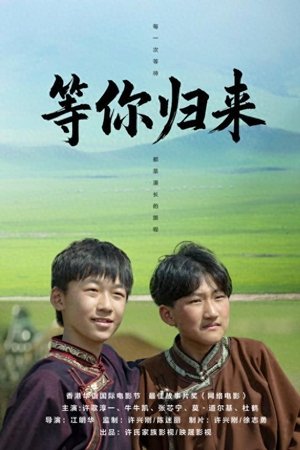


Two left-behind boys: Hai Ri and Chao Lu grow up on the grasslands of Inner Mongolia. After facing family tragedies, his father’s death, mother’s illness, and grandmother’s breakdown; Hai Ri becomes distant. Arriving at his grandfather’s home, he meets Chao Lu, a kind-hearted Mongolian peer. Through shared hardship, their initial conflict evolves into deep friendship. Hai Ri matures from timid to brave, learning to protect and care. Together, they forge a bond of mutual support, reflecting themes of resilience, friendship, and the power of familial love.
When we hear Korean Cinema, we often think of South Korean Cinema, but what about North Korea? Sure, North Korea has its propaganda moments, but 'Pulgasari' might be its best one yet.
21 Bridges isn’t going to revolutionize action cinema. However, its action components are respectable. Every act is visibly clear, and as time moves forward, the film changes its conflictual rhythm.
The classic ghosts-in-revenge story expanded into an extensive dig into the historical social system while being funny and horny.
By undermining the appeal and credibility of black characters, the show compromises the very idea of diversity and representation it sets to promote.
In Paul Feig’s newest comedy, Last Christmas, Katarina (Emilia Clarke) didn’t give a heart, she got a heart, you see.
In ‘The Owl House’ protagonist Luz Noceda stumbles across a portal to another dimension where magic exists, called The Boiling Isles.