Negative Reactions to ‘Barbie’ Reveal the Pressure of Representation
Apparently, nothing's ever enough. It has its flaws, but does that warrant the amount of criticism 'Barbie' is subject to?
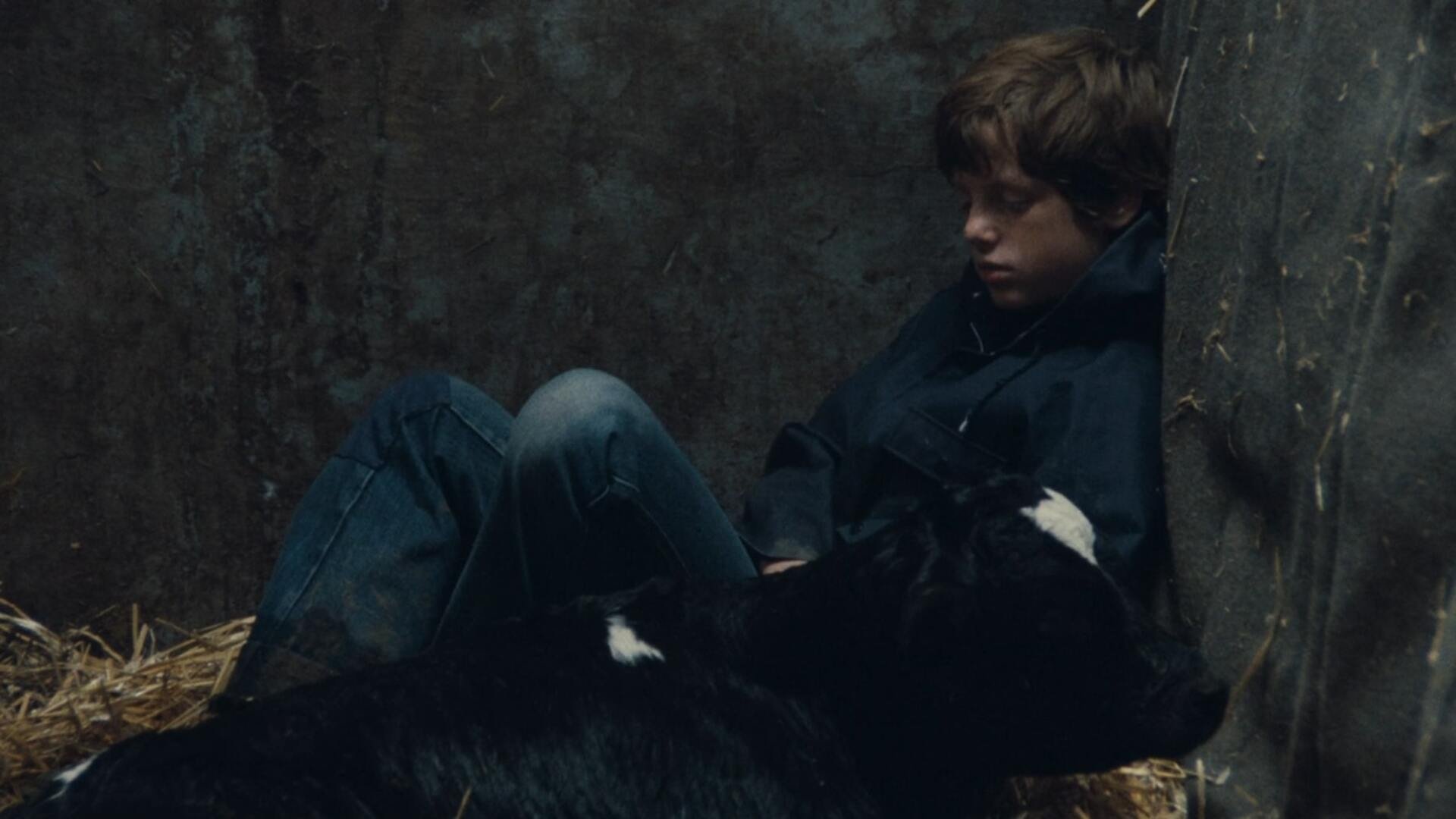
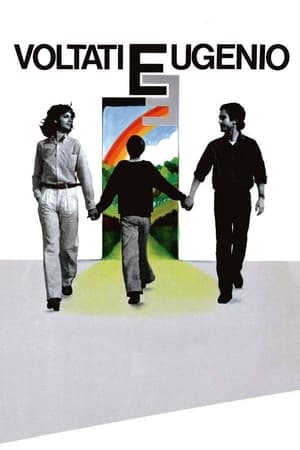


The film begins when Eugenio, a 14 year old child, is conduced from his grandparents home outside Rome, to Giancarlo (his father) in the city, by Giancarlo's friend (called "Moustache"). As Eugenio is bothering Moustache, he threatens Eugenio with leaving him in the middle of the country. He finally does it. When Giancarlo finds out, they return for Eugenio, but he is now lost. Meanwhile we're told the story of the child and his relation with the family, and why he feels unwanted.

Luigi Comencini
Director


Francesco Bonelli
Eugenio

Saverio Marconi
Giancarlo
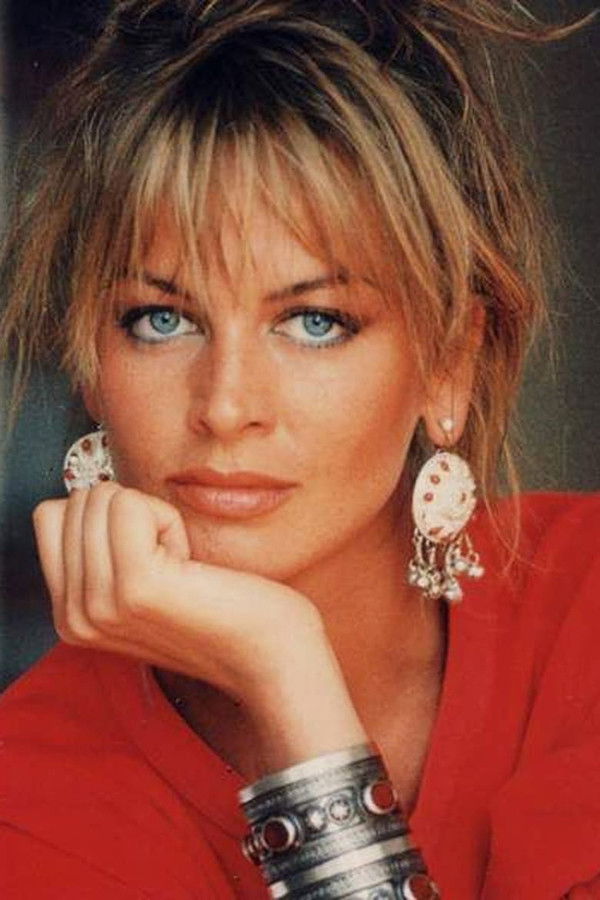
Dalila Di Lazzaro
Fernanda

Carole André
Milena
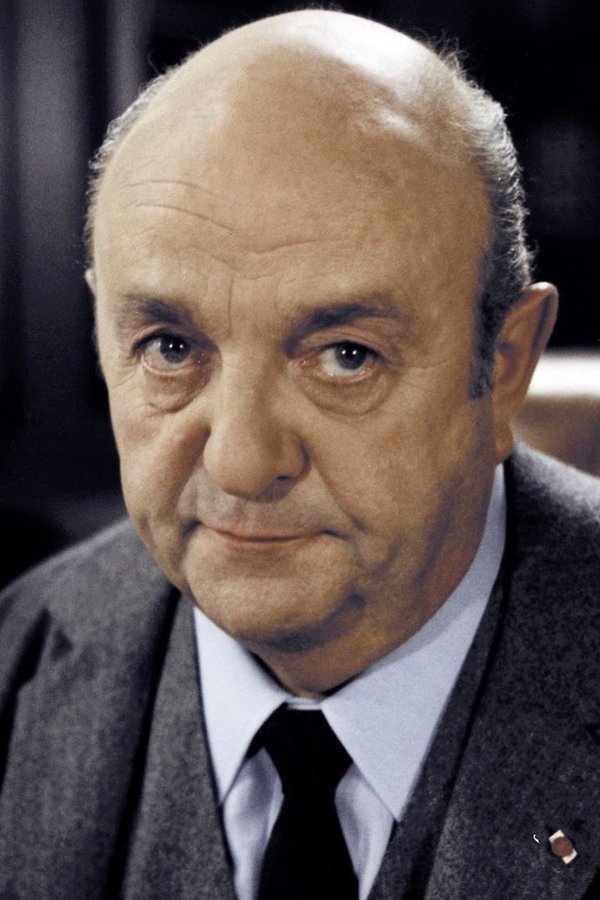
Bernard Blier
Grandfather Eugenio
Alessandro Bruzzese
Guerrino

José Luis de Vilallonga
Tristano

Dina Sassoli
Grandmother Anna

Gisella Sofio
Grandmother Edvige
Anna Lelio
Feminist
Renato Malavasi
Father of Giancarlo
Apparently, nothing's ever enough. It has its flaws, but does that warrant the amount of criticism 'Barbie' is subject to?
Not every film can make a shopping mall feel both magical and menacing, but Forbidden Fruits challenges that.
'Free Guy' combines classic Disney (a white heteronormative love story), exploration of popular video games and the culture around them, and Ryan Reynolds adult humor in the best way to make a super fun family flick.
World-famous drag queen Trixie Mattel shares a year of her life with the world in this vulnerable and uplifting documentary.
Keep scrolling to find names that should become part of your watchlist!
A Girl Walks Home Alone At Night, though its feminism may be unintentional, cannot exist without its focus on women reclaiming power. The movie is feminist by definition, even if Amirpour didn’t write it with that in mind. A Girl Walks Home Alone At Night is mesmerizing, poetic, and stunning, both for its portrayal of feminist ideas and its powerful story that is both horrific and subtly romantic at once.