


'Don't Worry Darling' Review: 'Get Out' But For White Women
Essentially 'Get Out' but for white women, 'Don't Worry Darling' has strong material with its twist reveal, but the writing and directing falter trying to execute it.
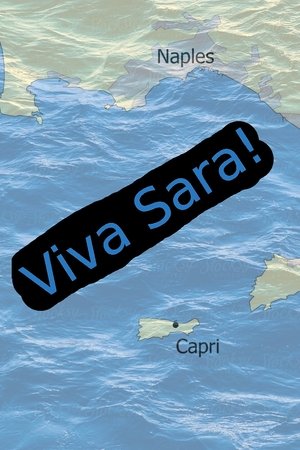


In this documentary, we accompany Sara Gubara on a race between Capri to Naples as Sudan’s first international swimmer. At three years old, young Sara was stricken with polio, the family facing the bleak diagnosis that nothing could be done. Gadalla does not accept this fate, devoting himself to his daughter’s recovery. She was encouraged to swim and at twelve years old competes internationally. Moved by Sara’s incredible accomplishment, Gadalla made the documentary Viva Sara, which would later inspire the fiction film Sarahsarà (1994) by Renzo Martinelli. (Source: africanwomenincinema.blogspot)
Essentially 'Get Out' but for white women, 'Don't Worry Darling' has strong material with its twist reveal, but the writing and directing falter trying to execute it.
When it comes the horror genre, I am VERY hard to please or impress, much less scare. Coming from a current mindset of appreciation for chilling, unsettling, tension-inducing efforts such as "Hereditary", "The Conjuring" (ONLY the first one to date, mind you), "Lights Out", "The Babadook", "Midsommar", "Talk To Me", "Oddity", "Bring Her Back", and the like
A trouble-making teenager spends the summer working at a Southern California beach learning about responsibility.
After two months of refusing to see this movie, I have decided that it’s finally Morbin’ time. After its re-release as a box office bomb; I watched it just to laugh at it. But, I was also surprised, because 'Morbius' is a queer allegory.
Given that Charlie Cox is having a moment with the rise in interest in 'Daredevil,' let's return to one of his earlier movies: the fantasy romance 'Stardust' where he shines amidst a slew of characters, from a stereotypical witch to a crossdressing pirate.
Perhaps the most amazing and groundbreaking quality about The Birdcage is how removed it is from both illness and insensitivity. Whereas films preceding it were often somber stories about the tribulations of being gay in a conservatively straight world, Nichols and screenwriter Elaine May expose the fallacies of conservatism as traditional values are thrown into a more open-minded space. They don’t care how far the community has fallen so much as how high they can rebuild themselves.