


Juneteenth: Don’t Worry about Slavery, the White People Fixed It
Juneteenth is a day to commemorate the emancipation of enslaved people in the United States on June 19th, 1865. We did it! Everyone is free! Everyone is equal! End of story, right?

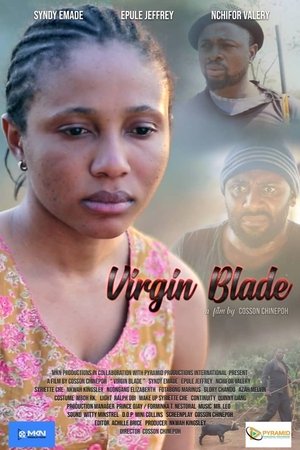
Before seven years old Oneke’s mother dies, she hands Oneke to Bessem, her city-based sister. Twelve years later, Bessem dies and Oneke, now a nursing student returns to her village to ask her father for school fees. On arrival she hears a girl screaming as her breasts are being “ironed” to prevent them from developing too fast, and remembers the pain she herself suffered when it was done to her.
Juneteenth is a day to commemorate the emancipation of enslaved people in the United States on June 19th, 1865. We did it! Everyone is free! Everyone is equal! End of story, right?
Like Fourth of July fireworks, the film Honey Don’t is colorful and fun to look at, delivering many bangs (sex and guns!) for your buck before quietly fading out.
The cancelling of these series is being blamed on the writers' strike and low viewership, but it's just the latest example of the industry's lack of appreciation for stories about queer women.
Even with its straightforward premise, “Richard Jewell” is ramped up by exceptional drama. In all honesty, the performances are out of this world. As Jewell, Paul Walter Hauser becomes a walking representation of gullibility. His bumbling antics create the perfect hero, and very quickly, we feel the societal heat that surrounds our protagonists.
Films and TV series often tend to misrepresent or not acknowledge bisexual characters, but recent trends show that bi-erasure is now under deserved scrutiny. So, I’m genuinely happy about the direction bi-representation seems to be taking.