
Is It Still Possible to Achieve a Happyend Nowadays?
Neo Sora left a realistic and yet hopeful notion for the near future and the now.
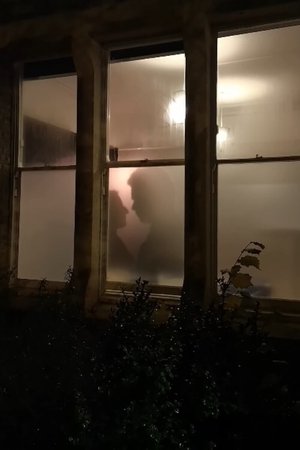


Gallagher weaves together an assemblage of films, creating a narrative through repetition. Documenting her experience caught between Athens and her new home in Northumberland, via a period of ‘uncertain waiting’ in the South East of England. Gallagher explores her sense of dislocation by organising footage from her phone into a visual villanelle, a poetic form with a strict rhyming structure and repeating lines. Footage shifts between presence and absence, movement and stasis. Between the sodium glow of the Athens street lights and the iconic bridges of the Tyne punctuated by sunsets and deluges of rain. Gallagher often draws attention to the overlooked, the ‘hidden in plain view’ aspects of life, questioning what we bear witness to and what we choose to ignore. Within the transitional period between lockdown and the easing of restrictions, Gallagher subtly explores emotional connections to home and place, considering what is outside and what we carry within.
Neo Sora left a realistic and yet hopeful notion for the near future and the now.
"The Mitchells vs. The Machines" captures the eternal struggle between kids who want to pursue the arts and their practical parents who think they'll fail.
Joann Kohng’s Subject to IX tells the heartbreaking truth of the Title IX rules that colleges abide by.
If you've watched 'Jeanne Dielman, 23 Quai du Commerce, 1080 Bruxelles', you are either someone who believes “nothing happens” in this three and half-hour film or you’re like me who believes everything happens.
Mark Anthony Green was unable to connect all of the pieces in his debut feature film, leaving Opus as a middling entry in an already oversaturated genre.
That feeling in your gut which tells you that there’s something out there you should look for and make your own, is what the power represents