


Incluvie – Better diversity in movies.
Identity in film with Incluvie stamps, scores, reviews.

Incluvie – Better diversity in movies.
Explore identity in film with Incluvie stamps, scores, reviews, and insights.

trailer banner
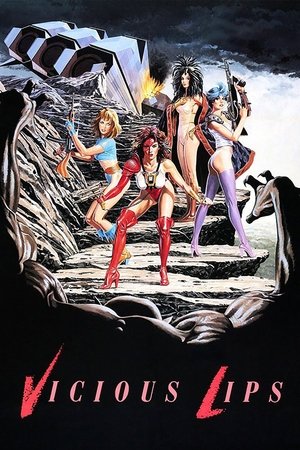
Vicious Lips poster

Vicious Lips (1987)

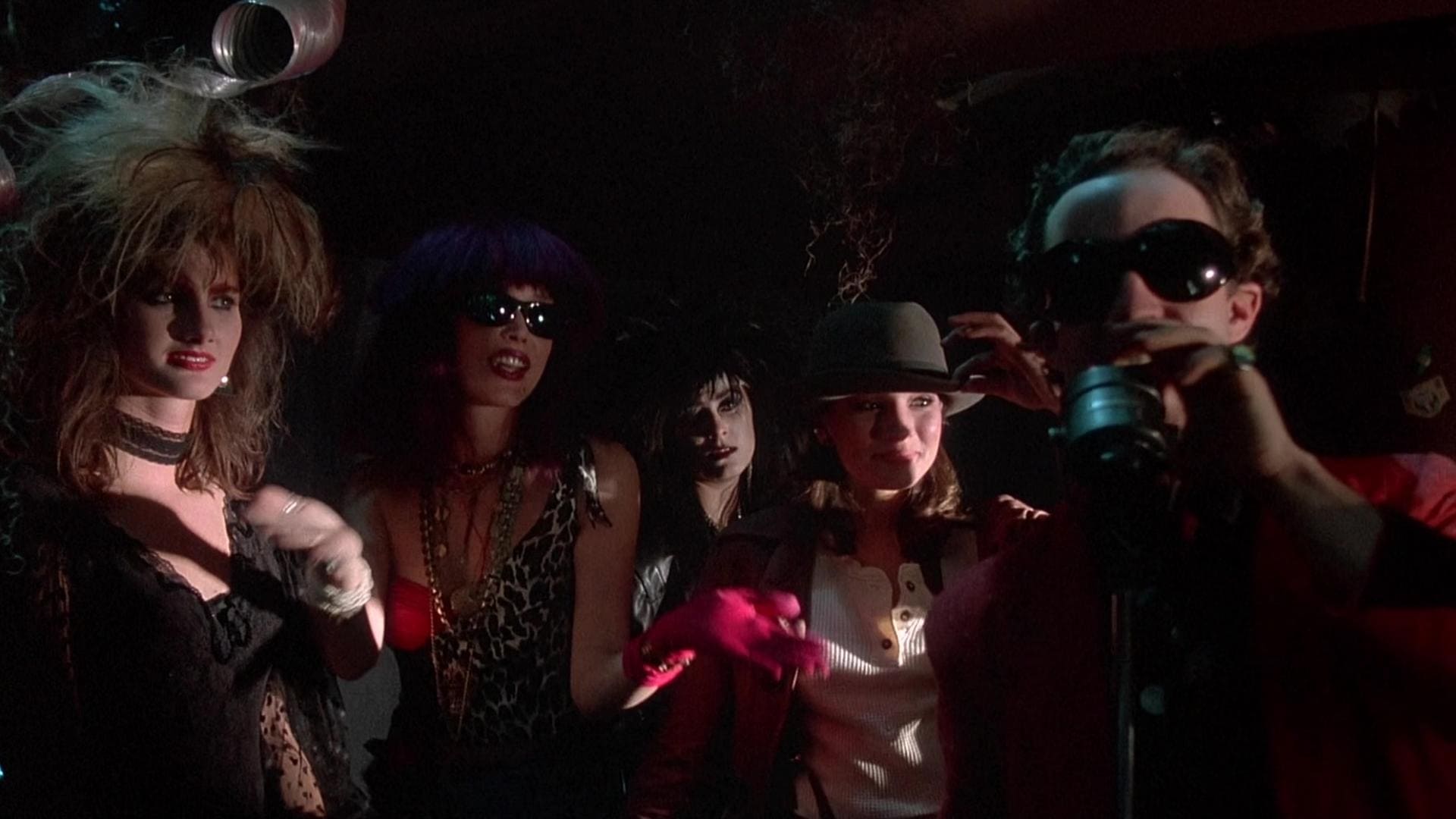
Sometime in the distant future, a fledgling band gets an opportunity for a breakthrough, if they can make it in time to a faraway planet to perform in a very popular club.
- / 5
PopScore
Representation

Pictures and Videos


Incluvie Gala

Movie Information


Sometime in the distant future, a fledgling band gets an opportunity for a breakthrough, if they can make it in time to a faraway planet to perform in a very popular club.

Rating:
Genre:Comedy, Horror, Music, Science Fiction
Directed By:Albert Pyun
Written By:Albert Pyun
In Theaters:2/1/1987
Box Office:

Runtime:84 minutes
Studio:Empire Pictures, ITM Productions

Articles You May Like


"Attack of the Killer Tomatoes: Organic Intelligence" is a Love Letter to the Franchise

Attack of the Killer Tomatoes: Organic Intelligence is not merely the fourth sequel in a cult classic film about a delicious vegetable apocalypse: it’s a love letter to slapstick, sight gags, and the original 1978 film. It’s also a meta-comedy, spy-thriller parody taking place in a world where the original film series was a documentary about the horrors of the Tomato War that the government covered up by convincing everyone it was a comedy. Taking place in 2026, Organic Intelligence sees genetically modified tomatoes grown out of control and rising up to attack humanity again - luckily, Agent Maria Sifuentes (Myrna Velasco) of the Federal Vegetable Investigation Bureau is there to uncover the corporate conspiracy behind it, and she won’t take no for an answer.

Jo Moses

The Rise of a Kindhearted Comedy Hero: The Anti-Toxic Masculinity Message of Brendan Fraser Films

Throughout Brendan Fraser’s career, he has played a plethora of unique, layered characters who explore the importance of not being afraid to display your emotions, something that is often seen to not be a masculine trait. This idea of regulating emotion and what traits men are able to possess creates a toxic atmosphere for men who are often told they should not cry or represent their emotions in any physical way. These characters represent that men can be joyful, emotionally conscious, and sensitive, while also representing their masculine identity instead of painting those qualities as fighting against their masculinity.

Amanda Mazzillo