



'Tár' — The Monster's Side of Paradise
A film for the post-MeToo era that inverts the narrative with an ironic coda, Tár depicts the duality of a sensitive artist capable of great evil and vile manipulation.
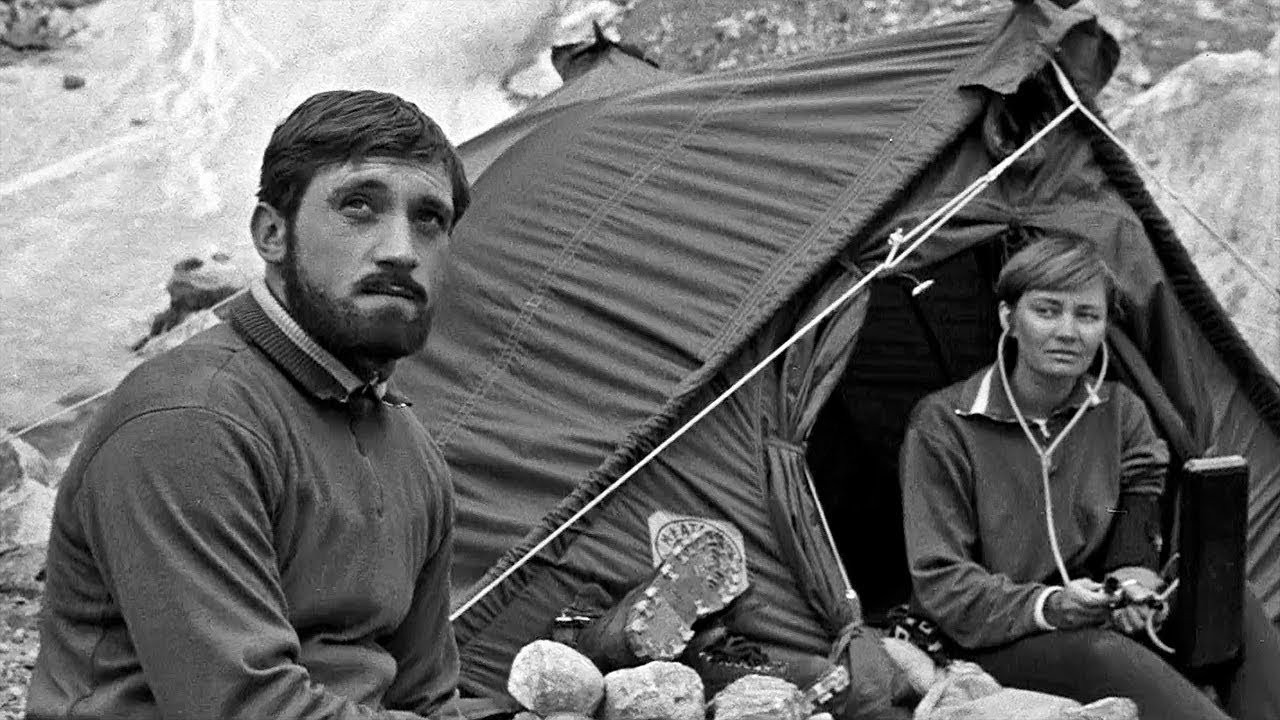



In the mountains, they stand alone against whatever will happen. For the several days they live in nature, they can rely only on themselves and each other. Elsewhere, there is always a fallback - here one is without a safety. This in itself can bring some to terror - the terror of having to rely on yourself - your own judgment, wits and fortitude. This is also the most incredible feeling of strength and independence. Knowing there is no safety means having to be one's own safety.
A film for the post-MeToo era that inverts the narrative with an ironic coda, Tár depicts the duality of a sensitive artist capable of great evil and vile manipulation.
There’s enough evidence to insinuate that What We Do in the Shadows is intentionally queer-coded.
This fantasy musical movie is an origin story about the title character.
Our protagonists perform as the opposite gender while still preserving the parts of their personalities that makes themselves who they are.
Remakes. Reboots. Reinventions. Redundancy. It's the common practice in Hollywood of late, sometimes offering us victorious reimagining of what can be considered cinematic classics while also, more often, falling flat on their UN-imaginative faces in utter defeat and lackluster results. Admittedly, with this in mind, I went into the newest incarnation of "The War of the Roses" with typical trepidation and cautious optimism.
With raw and unapologetic performances by Viola Davis and Chadwick Boseman, stories about the hardships of Black musicians are weaved in with The Blues.