"Opus" Is Fun But Doesn't Know Its Own Motivation
Mark Anthony Green was unable to connect all of the pieces in his debut feature film, leaving Opus as a middling entry in an already oversaturated genre.
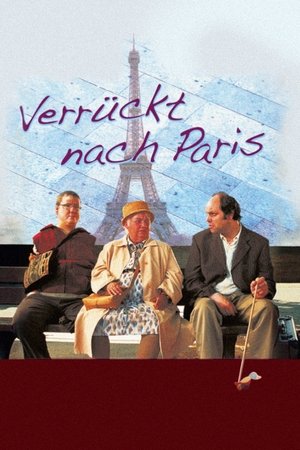


A road movie comedy about the longing for freedom and the realization of dreams: Hilde, Karl and Philip live in a Bremen residential home for people with disabilities. While the two boys work in a workshop where they make toy "waddling ducks", Hilde peels buckets of potatoes as a kitchen assistant. Bored with the daily routine, the trio decide one day to escape from the home and go on vacation to Cologne. After a few adventures, Philip loses his wheelchair and has to "hop" around Cologne from then on. Eventually, the friends miss their train back to Bremen - and head to Paris instead. Enno, their cynical caretaker, is tasked with bringing the runaways back. A wild chase begins.

Pago Bahlke, Eike Besuden
Director
Paula Kleine
Hilde
Wolfgang Goettsch
Karl Schneider
Frank Grabski
Philip

Dominique Horwitz
Enno
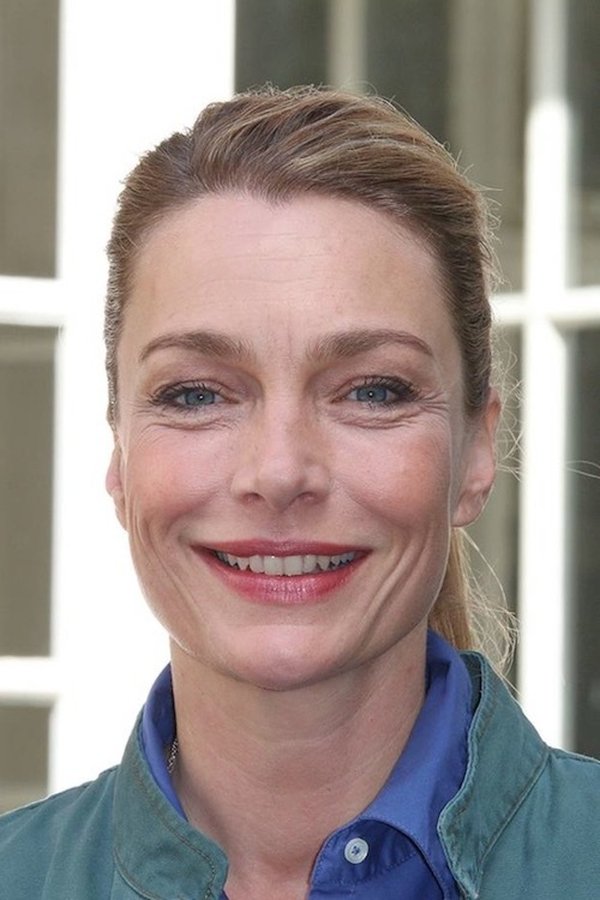
Aglaia Szyszkowitz
Chris

Corinna Harfouch
Frau Hermann

Martin Lüttge
Heimleiter Kollakowski
Sandra Tkaczyk
Vanessa

Marion Mitterhammer
Julia

Doris Kunstmann
Karls Mutter

Hermann Lause
Schaffner Werner
Mark Anthony Green was unable to connect all of the pieces in his debut feature film, leaving Opus as a middling entry in an already oversaturated genre.
Like all modern societal phenomenons, it started with a meme. This one highlighted that when there’s a mom in a Pixar film, she is almost without fail given striking curves that highlight the bottom half of her body following a minuscule waist. From Elastigirl to the skeletal Mama Imelda, the animation giant’s artists seem to have a fixation on making exaggeratedly curvy maternal characters.
This emotional, frightening, and dreamlike story examines the ways actresses are exploited in the name of art.
Outer Banks (2020-) knows its audience: young adults in a country that can’t stop romanticizing good ole’ treasure hunts. Add a little of Riverdale’s (2017-) sex appeal, and no one can look away. Forty years after The Goonies (1985) America’s consciousness hasn’t strayed from the same tropes: treasure hunts, a vulnerable white male lead, and the whitewashing of a racially segregated setting.
Perhaps the most amazing and groundbreaking quality about The Birdcage is how removed it is from both illness and insensitivity. Whereas films preceding it were often somber stories about the tribulations of being gay in a conservatively straight world, Nichols and screenwriter Elaine May expose the fallacies of conservatism as traditional values are thrown into a more open-minded space. They don’t care how far the community has fallen so much as how high they can rebuild themselves.