

‘También la Iluvia’: A Lesson in Shallow Representation
'También la Iluvia' exploits Indigenous peoples' fight against the privatization of water in order to tell a story about Spanish characters.
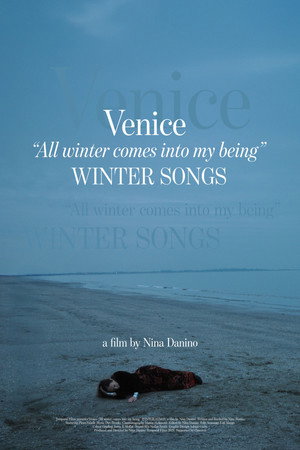


Venice is empty, the protagonist walks from the grand sights and interiors into the backstreets, a figure at twilight walking the alley ways and into the dark night to meet the Devil at dawn. The film follows a path via the remnants of Romanticism and Charles Baudelaire’s The Flowers of Evil in search of beauty, opulence exotic pleasure and lovers, by Venice. It follows the bohemian idea of escapism as a form of radical resistance and as an act of sensuality in the Director’s own cinematic female gaze.
'También la Iluvia' exploits Indigenous peoples' fight against the privatization of water in order to tell a story about Spanish characters.
This story solidified my choices to consume a more plant-based diet and nearly made me cancel my subscriptions to big corporations like Amazon. The narrative was perfectly crafted and on par with Bong Joon-Ho’s other major works; Parasite and Snowpiercer.
The relationship between Will and Sean is the best part of the movie. It’s always a delight to see Robin Williams on screen
In the film adaptation, director Jon M. Chu turns each musical number into a massive show stopper, with grand set pieces and a wealth of diverse dancers. Yet, in this attempt to show reverence for the people of the Washington Heights barrio, Chu, or maybe more specifically those in charge of casting, left out a crucial part of the community, Afro-Latinos.
'Pariah' tells a powerful, mesmerizing, and unflinchingly honest story of identity.
She is being made to justify why she doesn’t believe he’s a feminist, instead of him having to justify his choice to claim he is one.