'June & Kopi': Another Story about Friendship
An Indonesian film that brings strong representation of Asian descent in this heart-warming tale of a woman and her dog.
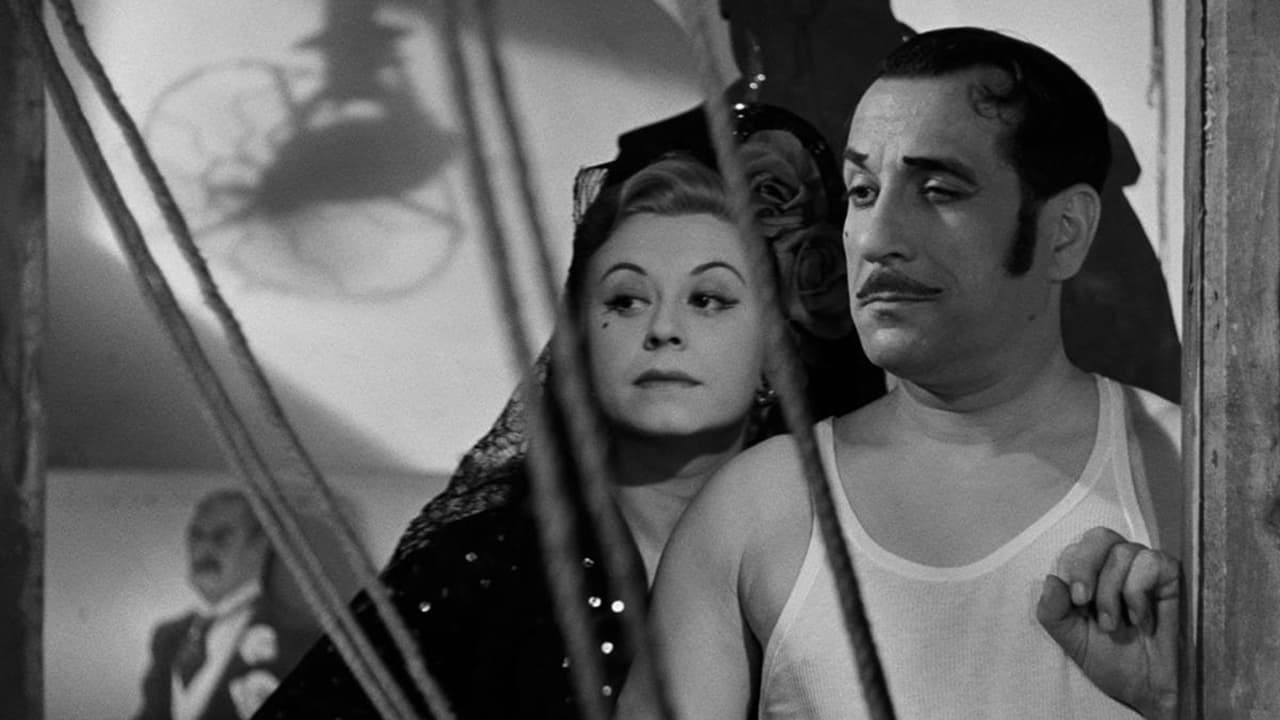
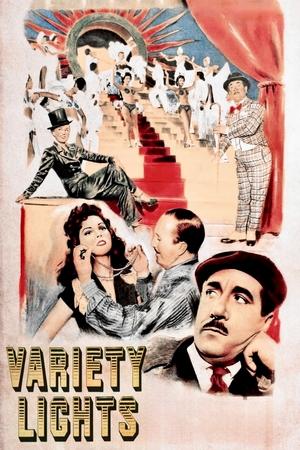


In Italy, Checco Dal Monte manages a troupe of traveling performers with plenty of heart but minimal talent. At a small town engagement, he encounters the starry-eyed, gorgeous Lily Antonelli, and hires her as a dancer on the show. Vivacious Lily quickly sells out crowds and earns the resentment of Checco's mistress, Melina Amour, but the fledgling performer has far bigger ambitions and soon sets her sights on a higher-profile role.
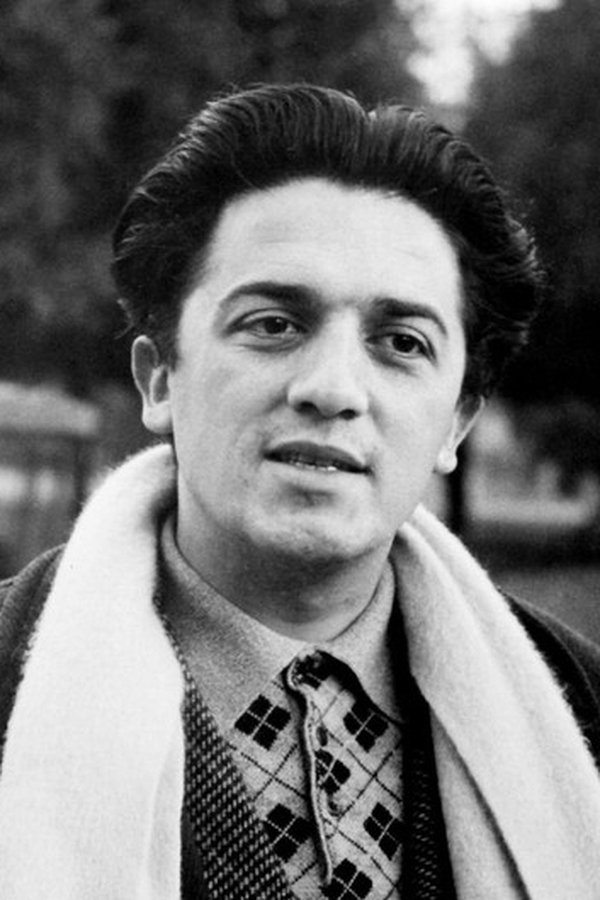
Federico Fellini, Alberto Lattuada
Director


Peppino De Filippo
Checco Dal Monte
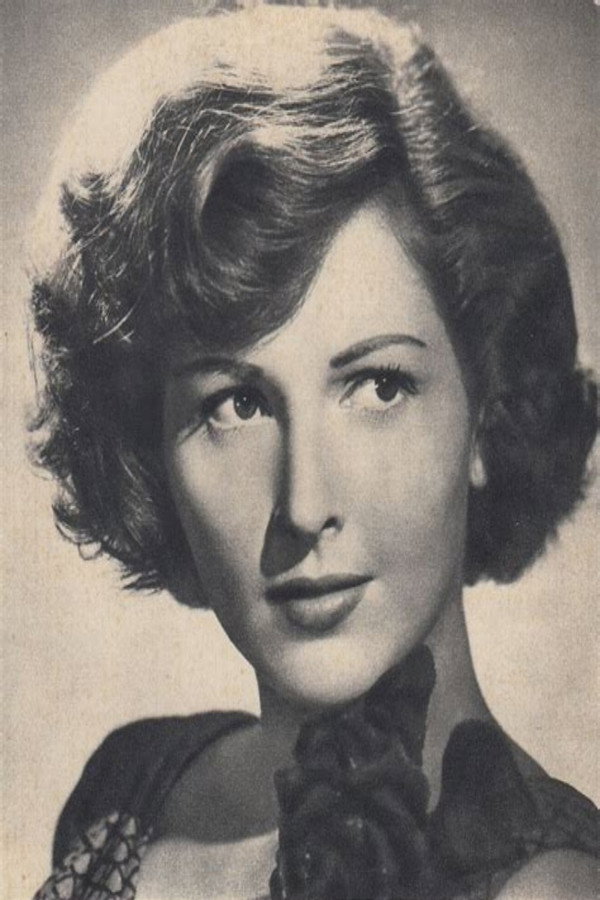
Carla Del Poggio
Liliana "Lilly" Antonelli

Giulietta Masina
Melina Amour
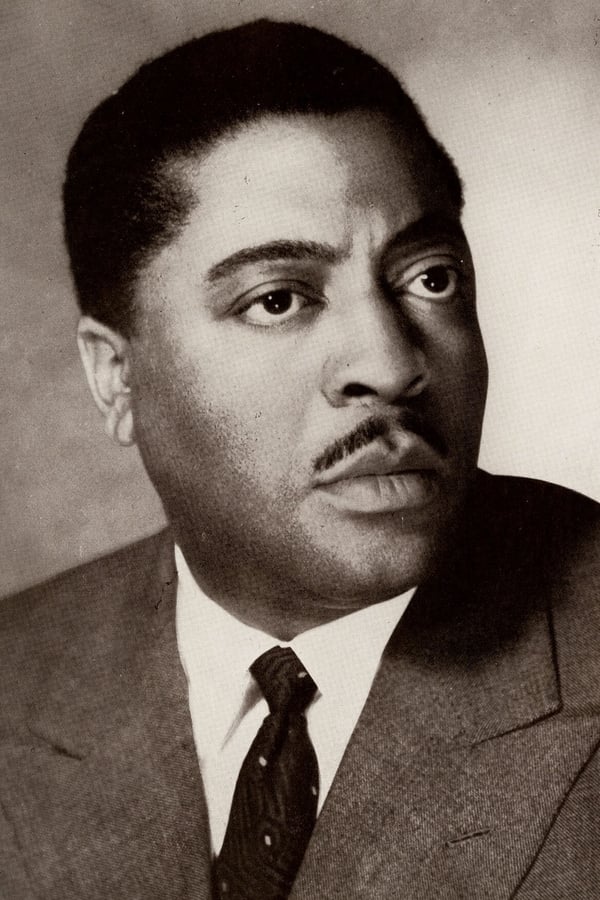
John Kitzmiller
Trumpet Player Johnny

Dante Maggio
Remo

Checco Durante
Theater Owner
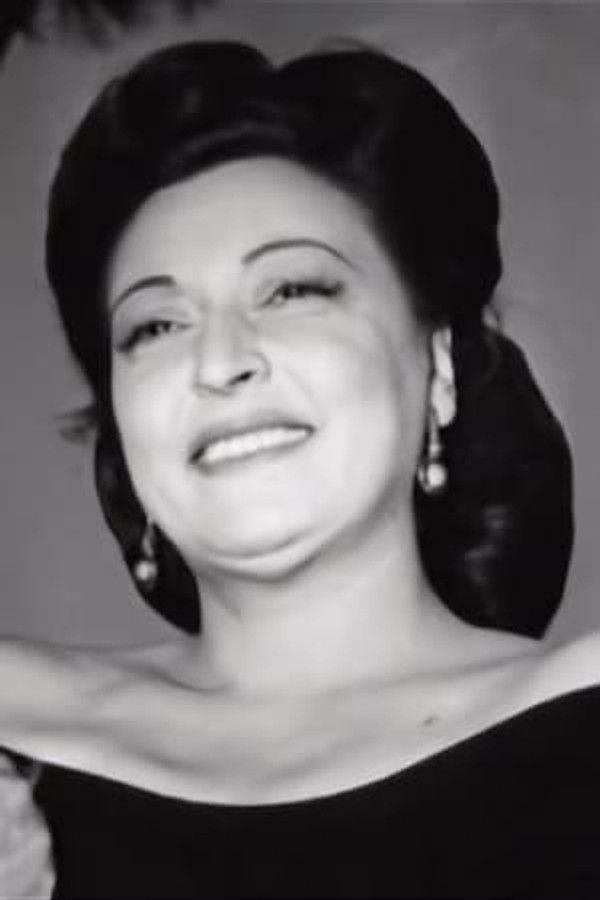
Gina Mascetti
Valeria del Sole
Giulio Calì
Magician Edison Will
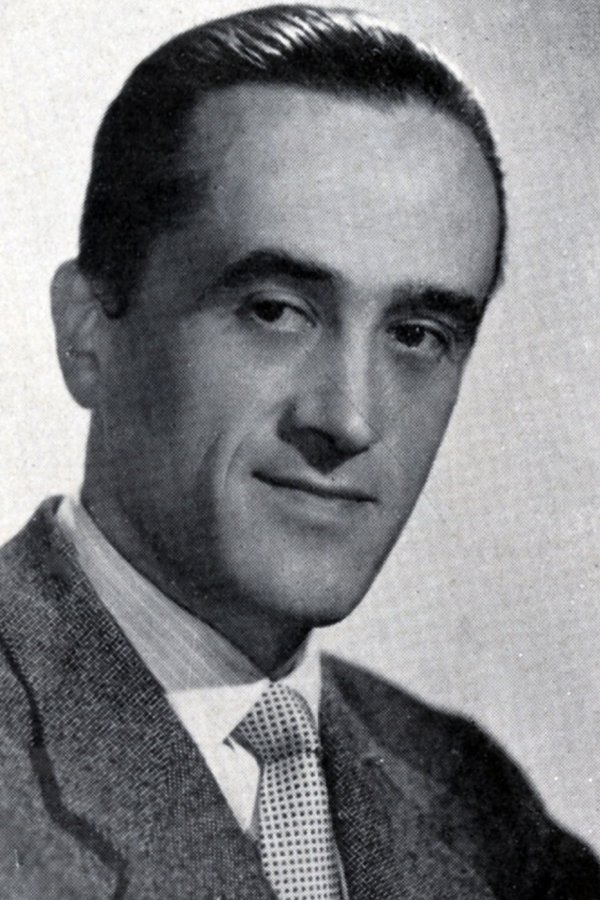
Silvio Bagolini
Bruno Antonini
Giacomo Furia
Duke
Mario De Angelis
Maestro
An Indonesian film that brings strong representation of Asian descent in this heart-warming tale of a woman and her dog.
This Halloween movie is a remake of the 2003 movie of the same name with Black representation.
With so many binge-worthy TV shows floating around and new ones constantly being released, I have compiled a list of some more recent TV shows that rank high on the diversity scale for both the cast and crew.
Monster's plot is built around Steve Harmon's false accessory to felony murder accusation, and the anxiety and desperation experienced by him during incarceration and the corresponding trial.
'Don't Breathe 2' is a sequel that forgoes almost everything that made its predecessor good, and asks audiences to root for a rapist on top of that.
Standing up for what's right, she's met with miraculous results. She takes charge of her own destiny.