

"Ma Rainey’s Black Bottom": A Lesson in Blues
With raw and unapologetic performances by Viola Davis and Chadwick Boseman, stories about the hardships of Black musicians are weaved in with The Blues.
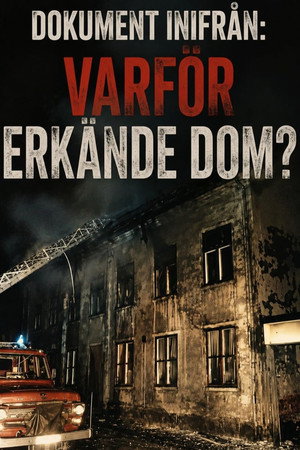


One day, SVT reporter Hannes Råstam receives a strange phone call that sheds an entirely new light on the wave of arsons that struck Falun in the mid-1970s. The fires wiped out parts of the town’s historic architecture, terrorized the population, and triggered an unprecedented police operation. According to the police investigation, two gangs of youths were behind the fires. A thirteen-year-old girl was held in custody and denied the right to call her mother unless she confessed. Others told reporter Hannes Råstam that they were threatened with being kept locked up “until they rotted.” The police investigation concluded with eight children and youths confessing to having set more than fifty fires. They were placed in children’s homes or sentenced to forensic psychiatric care. Today, all of them maintain that they were innocent and were coerced into confessing. One man now claims that he alone set the fires and wants this miscarriage of justice to be exposed.
With raw and unapologetic performances by Viola Davis and Chadwick Boseman, stories about the hardships of Black musicians are weaved in with The Blues.
The makings of a great midseason filler episode that would connect in many different directions. This is a police drama filler with a guest director.
It’s a cool looking Marvel character right off the page! He’s got these glowing eyes and he just kicks ass everywhere he goes, seemingly impervious to pain.
While it is more than established that Halston’s life is far from a fairytale, the narrative suffers as a result of the decision to revolve more around sex and drugs than his artistry, it likely does a disservice to his cultural impact by pulling focus from his achievements.
Dead Poets Society relies on patriarchal tropes such as overbearing fathers, contrived brotherhood, and faux-individuality in order to portray its straight white male characters as oppressed.
This analysis covers Paw Patrol: the Movie, including character analysis, themes covered in the movie, and things that could've made this movie better.