




“Bury Your Gays” Trope in TV and How “Wynonna Earp” Defies it
I think that the happiness and survival of "Wynonna Earp"’s LGBTQ+ characters is incredibly refreshing in contrast to the prevalence of queer suffering and death in other television.
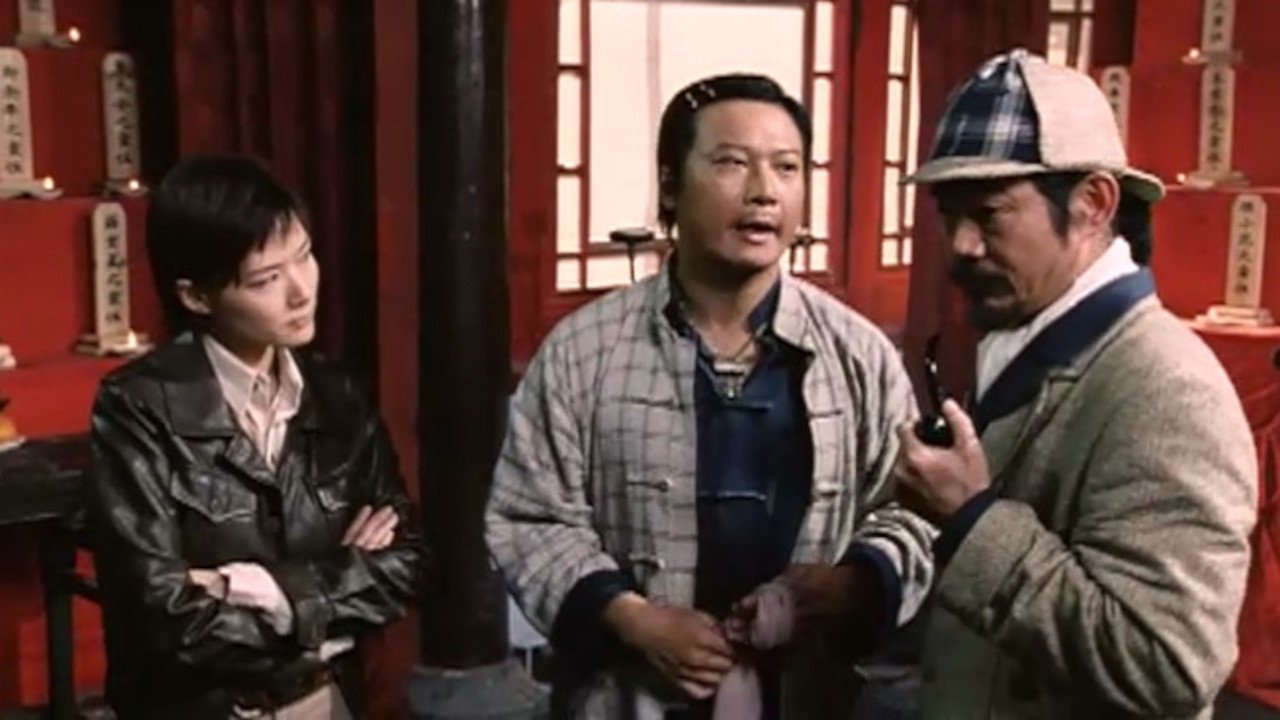



WUMING was a peaceful and tranquil town famous for its excellent 'fengshui' that bred outstanding personalities. Back in te QING dynasty, a famous official was buried here with a grandiose tomb built and two pieces of priceless jade ducks placed as burial accompaniment. In fact, there were numerous rich, famous people and countless jewelries and valuebles were buried in the graveyard and so cases of tomb thefts happened occasionally. As stories of ghosts and vampires began to spread around, the townsfolk rarely went out during the nights.
I think that the happiness and survival of "Wynonna Earp"’s LGBTQ+ characters is incredibly refreshing in contrast to the prevalence of queer suffering and death in other television.
At least we got the original cast back, right? Not even that saves it. None of them could bring a sliver of hope to this special. Rather, they bring dread as we witness the light leaving from their eyes.
Adapted from a 2014 novel by Atticus Lish, Preparation for the Next Life is the feature film debut of documentary filmmaker Bing Liu. With the help of screenwriter Martyna Majok, he paints a realistic and somber portrayal of Aishe, a Uyghur immigrant, as she struggles to make a living while undocumented in the United States.
Ricky Staub’s Concrete Cowboy, based on Greg Neri’s novel "Ghetto Cowboy", tells the story of a young teenager forced to adapt to a new lifestyle.
The “gay best friend”, an age-old trope, has been done in countless films and television series. Ranging from one-note (Sex and the City's Stanford and Mario) to nuanced (Unbreakable Kimmy Schmidt's Tituss), the gay best friend exists to support and advise the main protagonist, with their conflicts swept to the side.
SPOILERS AHEAD. Premature is a story about the pain of love and realities. Transitioning from youth to our perspective of adulthood, how do we grapple with loss?