





Incluvie – Better diversity in movies.
Identity in film with Incluvie stamps, scores, reviews.

Incluvie – Better diversity in movies.
Explore identity in film with Incluvie stamps, scores, reviews, and insights.

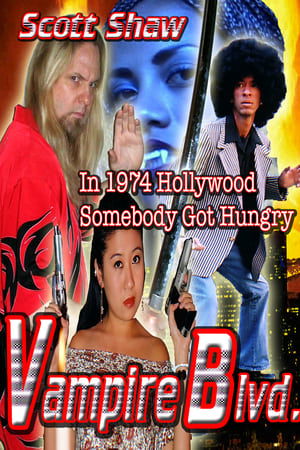
Vampire Boulevard poster

Vampire Boulevard (2004)

Lost in the realms of 1970's Hollywood, VAMPIRE BLVD. follows Jasmine Lee, an actress from Hong Kong, who has come to Hollywood with dreams of stardom. Instead, she is tracked down by an ancient cult of mutant samurai sword carrying vampires, seeking to steal the powers she never knew she possessed. Her only hope is the protection of two down-and-out Private Investigators.
- / 5
PopScore
Representation

Pictures and Videos


Incluvie Gala

Movie Information


Lost in the realms of 1970's Hollywood, VAMPIRE BLVD. follows Jasmine Lee, an actress from Hong Kong, who has come to Hollywood with dreams of stardom. Instead, she is tracked down by an ancient cult of mutant samurai sword carrying vampires, seeking to steal the powers she never knew she possessed. Her only hope is the protection of two down-and-out Private Investigators.

Rating:R
Genre:Horror, Action
Directed By:Scott Shaw
Written By:Scott Shaw
In Theaters:1/15/2004
Box Office:

Runtime:90 minutes
Studio:No Rules Cinema, Light Source Films

Articles You May Like


'Jack and Diane' Review: Wasted Potential

The plot could’ve really been interesting if the elements of lycanthropy was integrated with perhaps the struggle of identity of being LGBTQ+. It's an experience for so many that as they’re starting to realizing their true selves, they feel like a monster, especially if they come from unsupportive homes or communities. Instead, the horror and transformation elements seem thrown in without contemplation of how this could deepen the narrative.

Andrea Amoroso

Who Needs 'Independence Day' When You've Got 'Sorry to Bother You'?

Sorry to Bother You ultimately speaks to the unfair advantages that the country’s power structures award to those with the resources to control others, as Lift’s easy access to the media allows his opinion to be the only one that matters in the eyes of the unsuspecting and easily impressed public. Moreover, it reveals the extent to which the American Dream has any true validity. It postulates how the promise of success and fulfillment as promoted by the American Dream more often than not leads to the undoing of the individual. Interestingly, in its revealing of the American Dream as merely a facade, Sorry to Bother You wisely questions whether or not anything can really be done to undo a system that has been accepted and in action for centuries.

Matt Geiger