
“The Owl House”: The First Bisexual Disney Hero
The Owl House has swiftly become one of Disney’s beloved cartoon series.
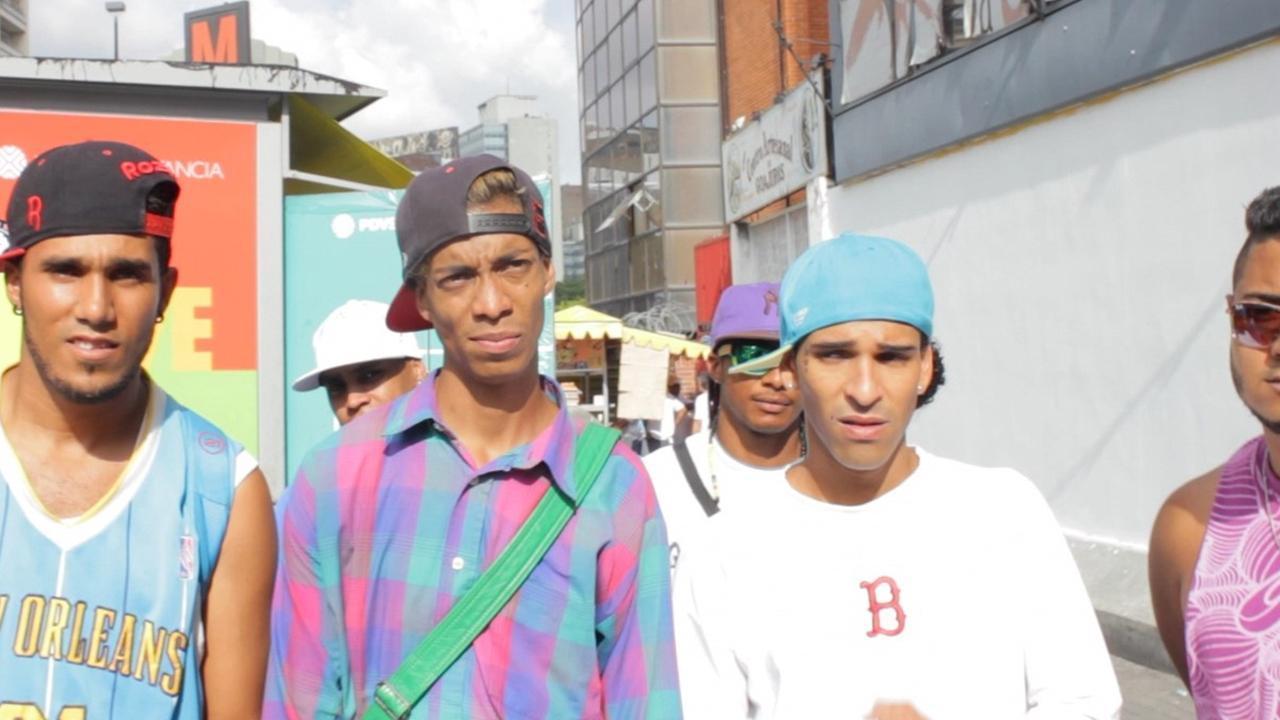
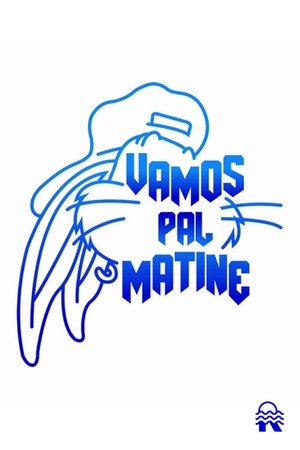


In its heyday, Changa Tuki, aka Raptor House, attracted thousands of young people to afternoon parties called "matinees", from those parties a controversial subculture grew, one that still echoes to this day. This is the story as told by its protagonists.
The Owl House has swiftly become one of Disney’s beloved cartoon series.
2026 ranks highest in Oscars history for its representation of minorities in all categories, and that’s definitely something to be celebrated.
Shortly after season two of Fleabag dropped on Amazon Prime in 2019, Barack Obama put it on his list as one of his favorite television series of the year.
The social issues The Half of it takes on are handled well, between the antagonization brought on to Ellie for her race and the conflict that arises from her being gay. Both aspects of her character are built up over the course of the film and don’t seem abrupt or rushed. The film shows racism towards Ellie and her and father in varying levels, from having her schoolmates specifically address her as "Chinese girl” to the fore mentioned way her Dad is treated due to language barriers. The same can be said about Ellie being a lesbian. While she never truly “comes out” in the narrative, that does not undermine her journey of self-discovery from being meaningful. These ideas aren’t thrust upon the viewer in a preachy manor, the scenarios that occur feel believable given the rural setting. The film presents watchers with problems whom those like Ellie may face, and leaves us to sit with them and reflect.
The film's Incluvie rating is off the charts. It features Black, Muslim, queer, trans humans whose moms hold them up, fight for them, and love them for who they are...making anything possible.
'También la Iluvia' exploits Indigenous peoples' fight against the privatization of water in order to tell a story about Spanish characters.