






'You People' is as Glossy and Uneven as its Predecessors
Another uneven "Guess Who's Coming to Dinner" redux that says nothing novel about its subject matter.

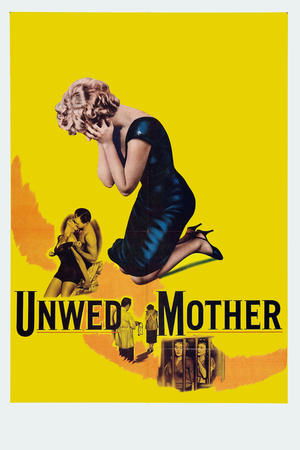


A young, sweet girl from the country moves to Los Angeles with her mother and meets a young man who she thinks is just perfect. That is until she gets pregnant and he's on his way to jail.
Another uneven "Guess Who's Coming to Dinner" redux that says nothing novel about its subject matter.
'Little Woods' rethinks the Western genre and examines the misogyny and classism inherent in the healthcare industry.
Love Hard is a Christmas romcom about two people who fall in love while pretending to date. It’s a romantic and fun watch. If you can forget the catfishing.
The Gates, John Burr’s new thriller film, is a disturbingly realistic portrayal of three Black twenty-somethings - Derek (Mason Gooding), Kevin (Algee Smith), and Tyon (Keith Powers), as they accidentally take a wrong turn into a gated community that’s more like a modern-day sundown town. The three friends witness a variety of crimes in their new surroundings, including an attempted homicide and an attempted rape. As they attempt to alert the authorities and do the right thing, they are thwarted at every turn by the worst horror stories of American conservatism - racist white suburbanites, reckless gun violence, corrupt police, religious mania, and a megalomaniacal pastor.
Nick Rowland’s She Rides Shotgun is a blistering, blood-soaked road thriller that doubles as a bruised love story between a haunted ex-con (a career-best Taron Egerton) and the daughter he barely knows (astonishing newcomer Ana Sophia Heger). Fueled by white-knuckle chases, razor-tense shootouts, and quiet moments of aching tenderness, the film captures both the terror and fragile beauty of survival. It’s gritty, heartbreaking, and unforgettable—a father-daughter odyssey destined to leave audiences shaken.
Amsterdam is a confusing movie with a meandering plot amidst a beautiful rendering of 1930s New York