








Once Upon a Time in (White) Hollywood
Tarantino's alternative history of the 1960's uncritically repeats the era's sexist and racist stereotypes.
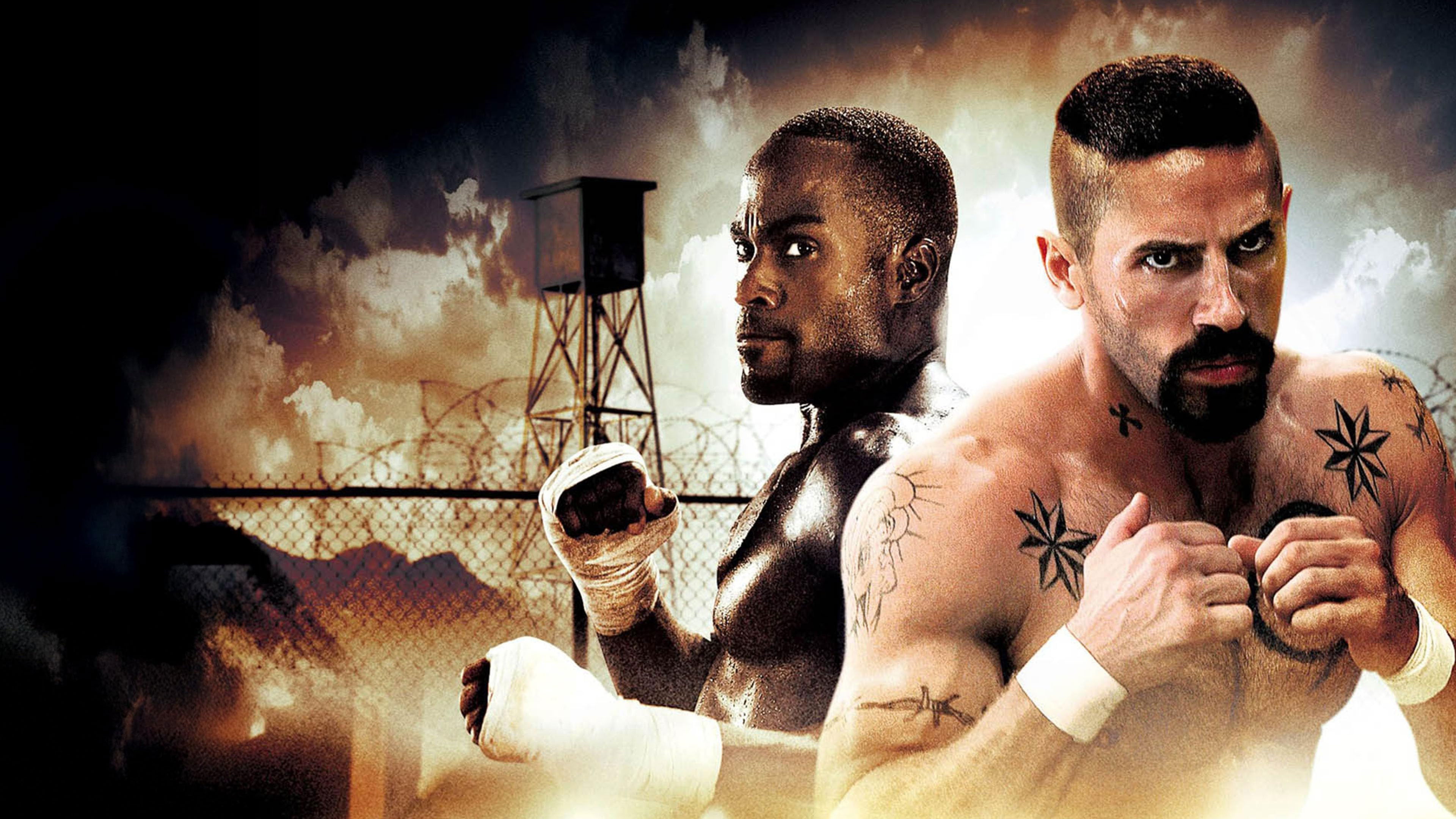
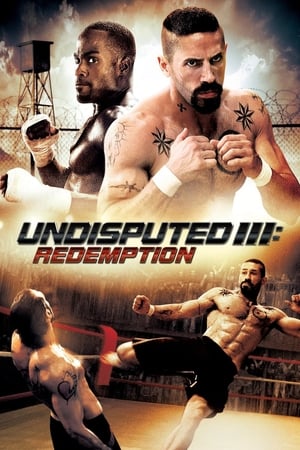


Russian inmate Boyka, now severely hobbled by the knee injury suffered at the end of Undisputed 2. No longer the feared prison fighter he was, he has declined so far that he is now good only for cleaning toilets. But when a new prison fight tournament begins - an international affair, matching the best fighters from prisons around the globe, enticing them with the promise of freedom for the winner - Boyka must reclaim his dignity and fight for his position in the tournament.
Tarantino's alternative history of the 1960's uncritically repeats the era's sexist and racist stereotypes.
The story is a moving sentiment of letting go of the past and putting trust and faith into others. Though you come into this world alone, surrounding yourself with others that support you and want to help is the greatest gift life could ever give.
This HBO mini-series asks why a young white man turned to violence and finds no easy answers. But why do we only ask questions about certain kinds of killers?
If your upbringing was anything like mine, where the TV acted as an additional parent- there are so many new stories and perspectives to explore.
The film does not add anything to its own conversation or genre, and falls flat once it’s about to end and must declare some sort of conclusion.
You can have the best filmmaker and cast in the world, but if the script is lacking, you’re in a troublesome state. Such is the case with Gemini Man, a film full of tremendous artists.