

Twin Peaks: Why LGBTQ Ally Depiction is Crucial
Portraying how easy it is to be an ally heavily benefits the majority audience. The more we encourage it, normalize it, and give people the tools to become one, the sooner we can co-exist peacefully.
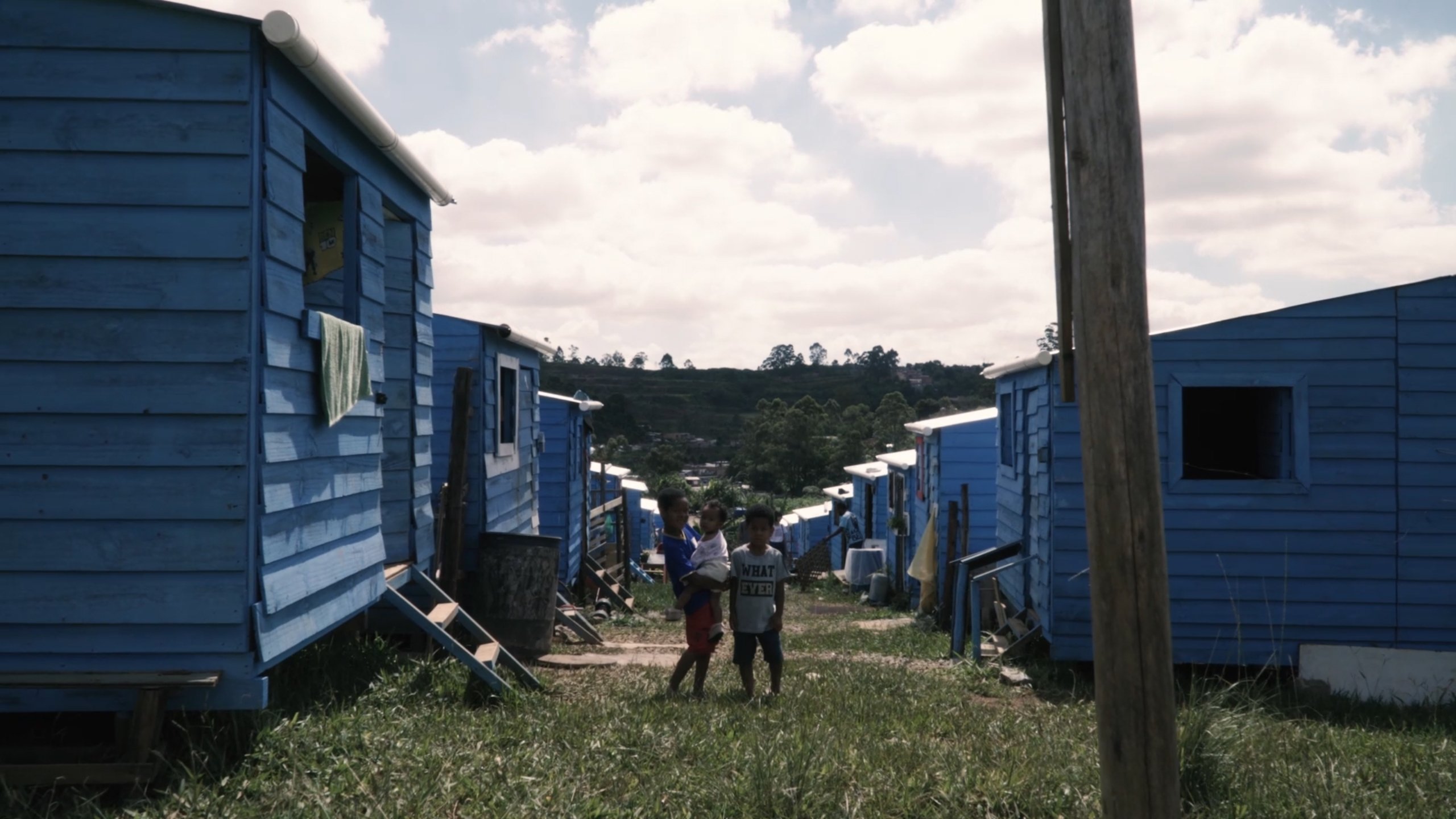
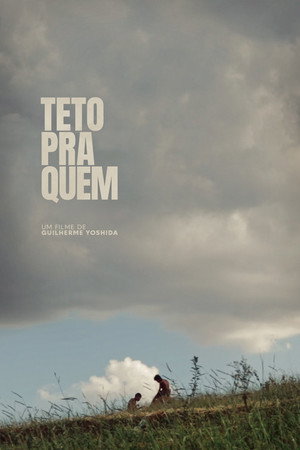


Brazil is going through a political crisis which even representatives of our institutions reproduce speeches that seek to criminalize social movements by framing them as terrorists. The short "Teto Pra Quem" seeks to question the brutality of common sense fueled by the conservative wave by opposing it to the reality of thousands of families and their struggles in the pursuit of one of their most basic human rights: living under a roof.
Portraying how easy it is to be an ally heavily benefits the majority audience. The more we encourage it, normalize it, and give people the tools to become one, the sooner we can co-exist peacefully.
At first glance, one wouldn't think John Carpenter's cult classic would be a thematic double-billing - or that Free Guy would be worthy of being mentioned in the same sentence as They Live - but the two films of vastly different genres have more similarities upon further examination.
True crime media is notoriously obsessed with the “missing white woman” trope, and yet the vast majority of American murder victims are male, and well over half are people of color.
Halle's belting, crystal clear notes, and warm tone infused something into this blockbuster that I thoroughly enjoy.
In order to learn why an arguably outdated fanfic trope was resurfacing in the contact zone of popular culture, I dove into a vibrant trough of character development.
A direct fall into the white savior narrative