Growing Fangs: How "Ginger Snaps" Ties Puberty to Werewolves
John Fawcett’s "Ginger Snaps" intertwines the lore of the werewolf to the hellish experience of a young girl going through puberty.



Baron Yves de Kerfunte learns of his uncle's death. Overjoyed, he is astonished to discover that seven other individuals are vying for the inheritance. Worse still, when they open the will, they learn that only the elderly Louise de Kerfunte is the heiress, and that she intends to squander the money quickly.

Rinaldo Bassi
Director
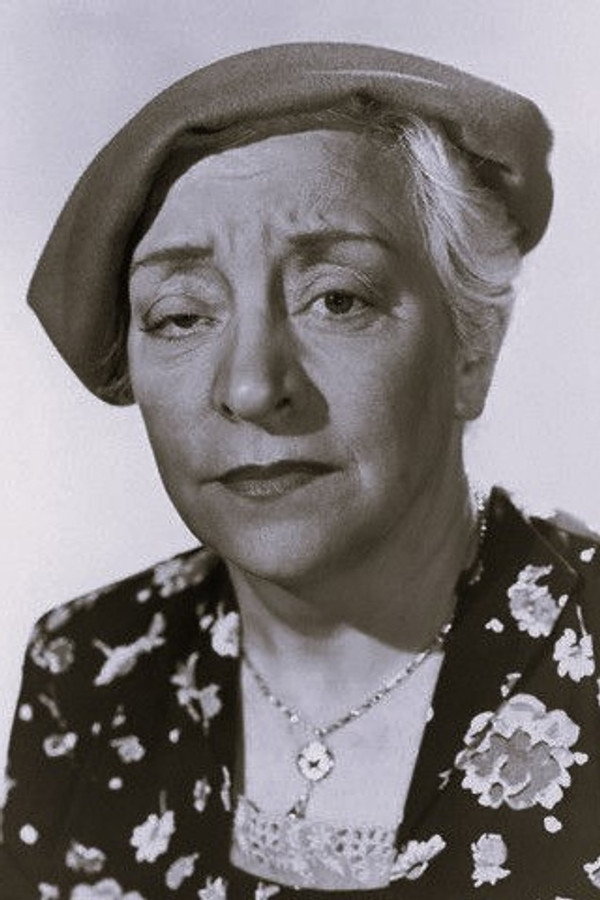
Françoise Rosay
Louise de Kerfuntel
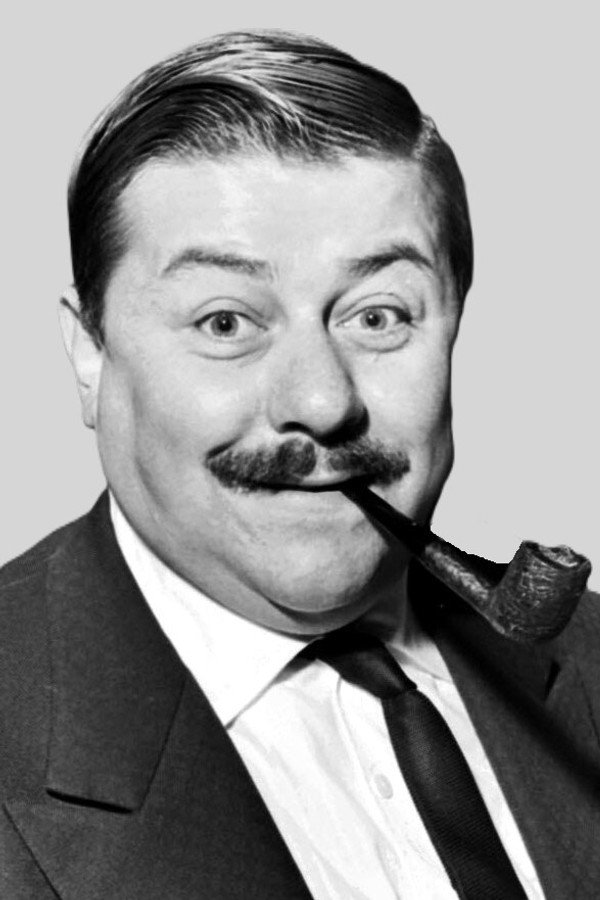
Francis Blanche
Loïc de Kerfuntel

Catherine Jourdan
Marianne
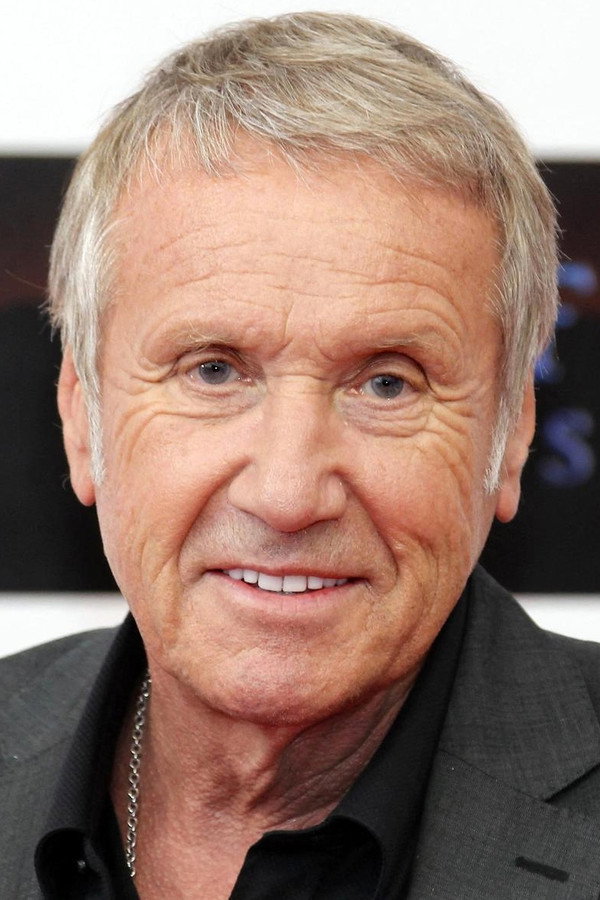
Yves Rénier
Yves de Kerfuntel
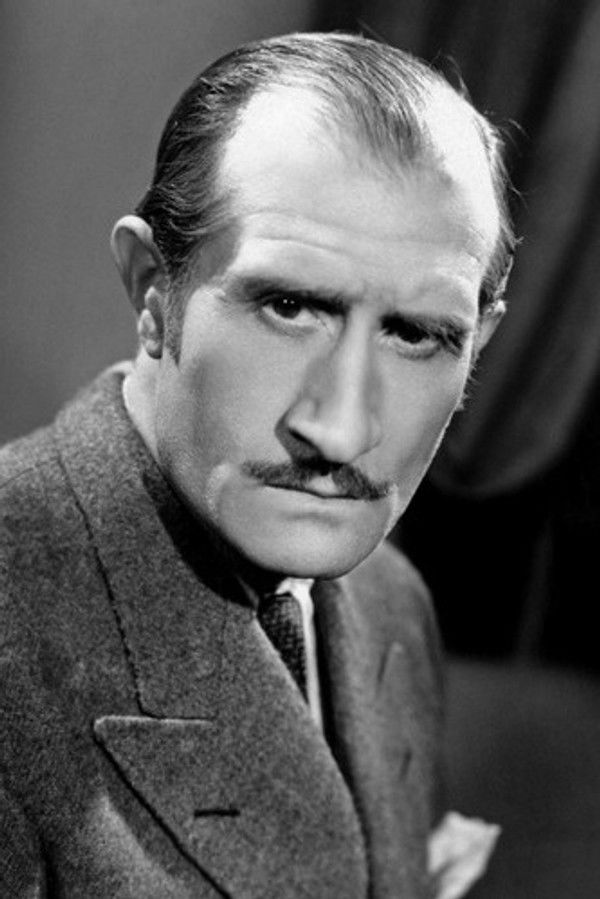
Noël Roquevert
Guillaume de Kerfuntel

Patrick Préjean
Hervé

Véronique Verlhac
Catherine
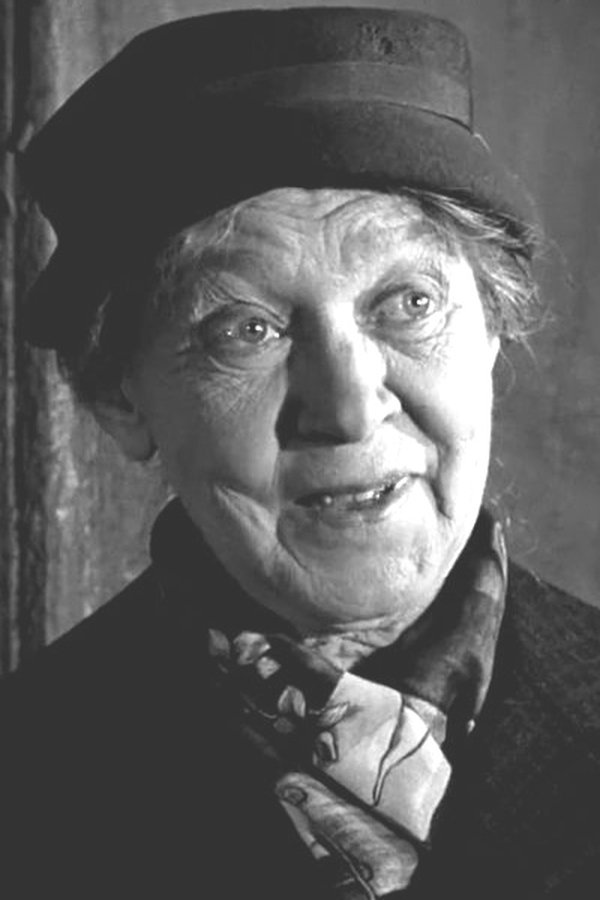
Hélène Dieudonné
Aline

Jean Carmet
Karl de Kerfuntel

Max Montavon
Le collègue d'Yves

Hubert Deschamps
Le patron d'Yves
John Fawcett’s "Ginger Snaps" intertwines the lore of the werewolf to the hellish experience of a young girl going through puberty.
James Cameron’s “Aliens” (1986) is a pinnacle of science fiction storytelling. Within this classic monster movie lies a powerful female character, Ellen Ripley (brilliantly portrayed by Sigourney Weaver).
A code adopted by gay men and LGBTQ+ individuals in general to subtly disclose your identity to another, “friend of Dorothy” is widely considered to originate with Judy Garland.
Poor Black characters are usually surrounded by crime and violence, while poor White characters are portrayed as noble and hard-working.
Netflix’s Shadow and Bone has a complicated relationship with race. It has a diverse cast, but not without its problems. Based on Leigh Bardugo’s two book series, the show features characters from the Shadow and Bone trilogy, which is very straight and white, and the Six of Crows duology, which is much more diverse. When bringing together a cast and writing about these characters, the team behind the show expanded upon some of the representation missing from the first trilogy, then seemed to take away representation from the duology. Shadow and Bone seems to play a bit of a push and pull game when it comes to portraying diversity onscreen.