
It: Chapter Two Review: An Ambitious, Worthwhile Sequel
This is ambitious horror filmmaking, and in a lot of ways, I fully admire its ambitions. For me, the film’s sloppiness defines its overall quality.
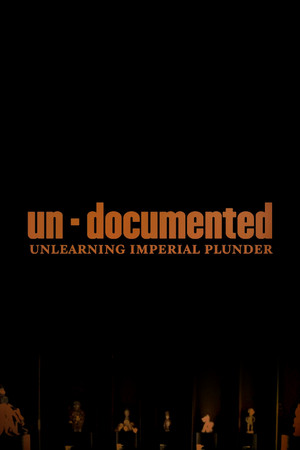


Un-Documented argues against Alain Resnais and Chris Marker’s film Statues Also Die (1963). Focusing on plundered objects in European museums and listening to the call of asylum seekers to enter European countries, their former colonizing powers, the film defends the idea that their rights are inscribed in these objects that were kept well documented all these years.
This is ambitious horror filmmaking, and in a lot of ways, I fully admire its ambitions. For me, the film’s sloppiness defines its overall quality.
When the retelling of the Cinderella fairy tale and a holiday spirit come together, viewers learn about class issues as well as perseverance despite setbacks.
Portraying how easy it is to be an ally heavily benefits the majority audience. The more we encourage it, normalize it, and give people the tools to become one, the sooner we can co-exist peacefully.
Sorry to Bother You ultimately speaks to the unfair advantages that the country’s power structures award to those with the resources to control others, as Lift’s easy access to the media allows his opinion to be the only one that matters in the eyes of the unsuspecting and easily impressed public. Moreover, it reveals the extent to which the American Dream has any true validity. It postulates how the promise of success and fulfillment as promoted by the American Dream more often than not leads to the undoing of the individual. Interestingly, in its revealing of the American Dream as merely a facade, Sorry to Bother You wisely questions whether or not anything can really be done to undo a system that has been accepted and in action for centuries.
Like Fourth of July fireworks, the film Honey Don’t is colorful and fun to look at, delivering many bangs (sex and guns!) for your buck before quietly fading out.