


Writing Great Villains: Why They Shouldn't Be Sympathetic
Writing great villains is about striking a balance between charming and evil, so we love them but also love to see them lose.
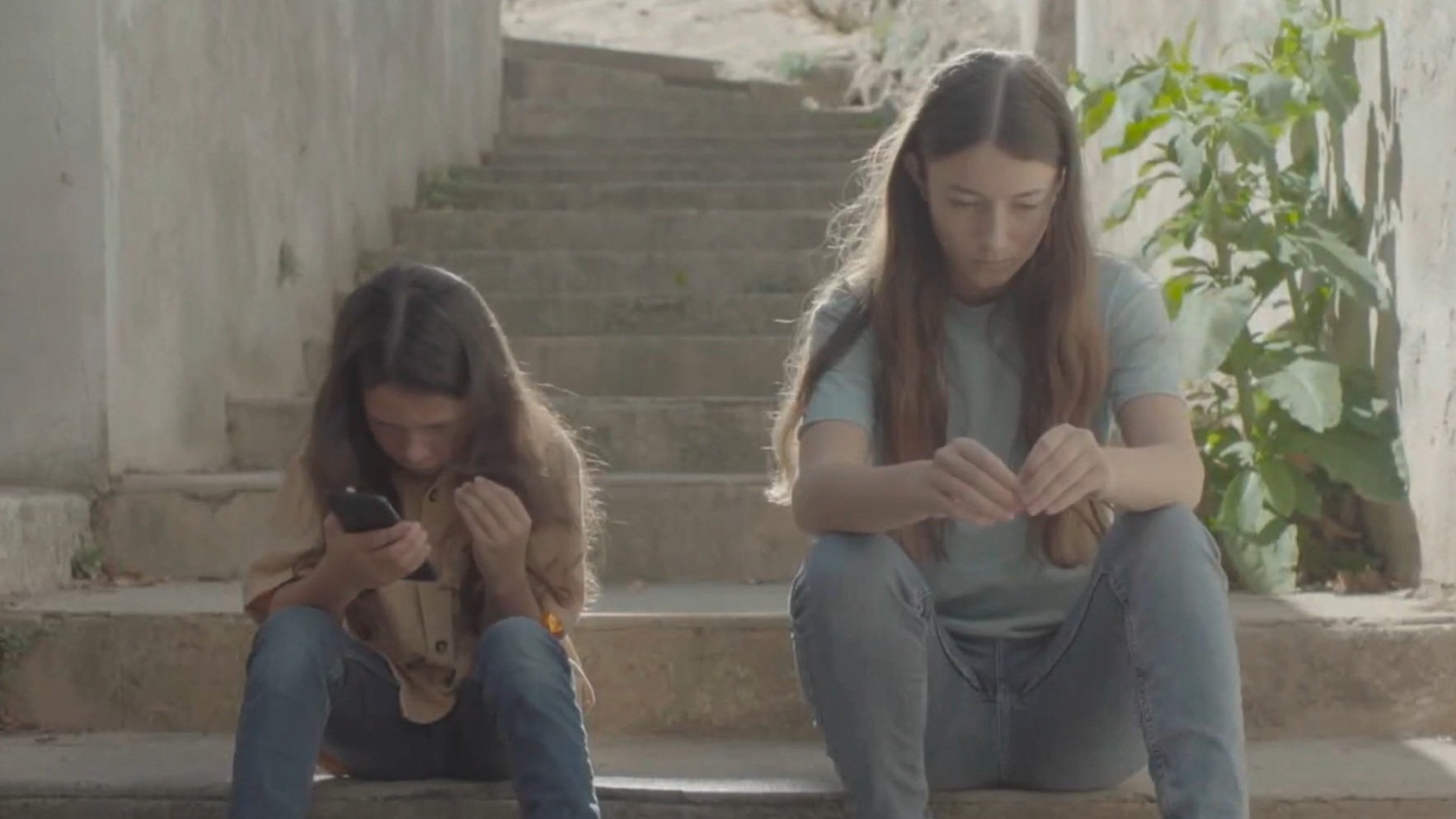



Antoine is a 9-year-old autistic child. His perception of the world is both strange and wonderful. Her sister Emilie, in her teenage years, is seeking, not without difficulty, a balance between her family life and her life as a young girl. She is also intimidated by her brother's difference, which she does not know how to approach. Following a family conflict, Antoine and Emilie prefer to leave the family home. During this escapade, they will experience unusual situations, which will lead them to observe each other, to listen to each other and finally to succeed in finding a ground on which to exchange and see the richness of each other.
Writing great villains is about striking a balance between charming and evil, so we love them but also love to see them lose.
Battles will come and go and queer people do die for their identity and fights for rights, but that doesn’t mean the gays don’t deserve their happy endings in stories.
Complex relationships between mothers and daughters are far from a new concept, whether the strain comes from abandonment, beliefs, or trauma. In My Only Wish, an Incluvie Film Festival submission, Brenda Gutierrez’s take on her character’s maternal divide comes in the form of abandonment.
I compiled a list of women’s basketball movies and documentaries so that every type of fan can find their new favorite watch.
I highly recommend Kill Bill: Volume 2. In classic Tarantino fashion, specific sections of the film are a tad too long, but overall, it’s a wonderful piece of escapist fiction.
My Beautiful Laundrette is often referenced as a positive LGBTQIA+ film because our two main characters are in a homosexual relationship with no shame, fear of violence or criticism. The struggle is not their sexuality. It is the treatment of the Pakistani citizens in England.