




Twin Peaks: Why LGBTQ Ally Depiction is Crucial
Portraying how easy it is to be an ally heavily benefits the majority audience. The more we encourage it, normalize it, and give people the tools to become one, the sooner we can co-exist peacefully.

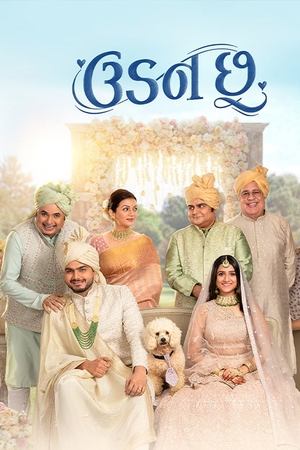


The middle-aged in-laws in love with each other elope from their children's wedding.
Portraying how easy it is to be an ally heavily benefits the majority audience. The more we encourage it, normalize it, and give people the tools to become one, the sooner we can co-exist peacefully.
The Suicide Squad's Polka-Dot Man aka Abner Krill, played by David Dastmalchian, helped me come to terms with my own issues of anxiety.
I first saw Dear Evan Hansen on the Broadway stage. Apparently, I was so blown away by the magic of theater that I didn’t pick up on the questionable dynamics. The story's clumsy handling in the movie brought those issues to light.
The tale of two friends spans three films and gives wonderful representation for young girls everywhere.
It’s 2021 and what few LGBTQ+ films that are produced by major film studios continue to star cisgender heterosexual actors, rather than actual LGBTQ+ people.
“Trust your gut" is one of the most common pieces of advice you’ll receive during your lifetime. And as a person inclined to trust my intuition above all else, it’s the most common advice I find myself giving in real life and in my online socialising. But what happens when your gut is trying to warn you that something is seriously wrong without you being able to identify what triggered it in the first place? How can you act on a feeling or make it go away when you don’t have a clue about what could be wrong? How can you trust your intuition when you don’t know what makes it act out in the first place?