Pro-Capitalism and other Antiquated Ideas on Court TV
Court TV shows offer uncritical eyes on the systemic inequalities of the legal world.
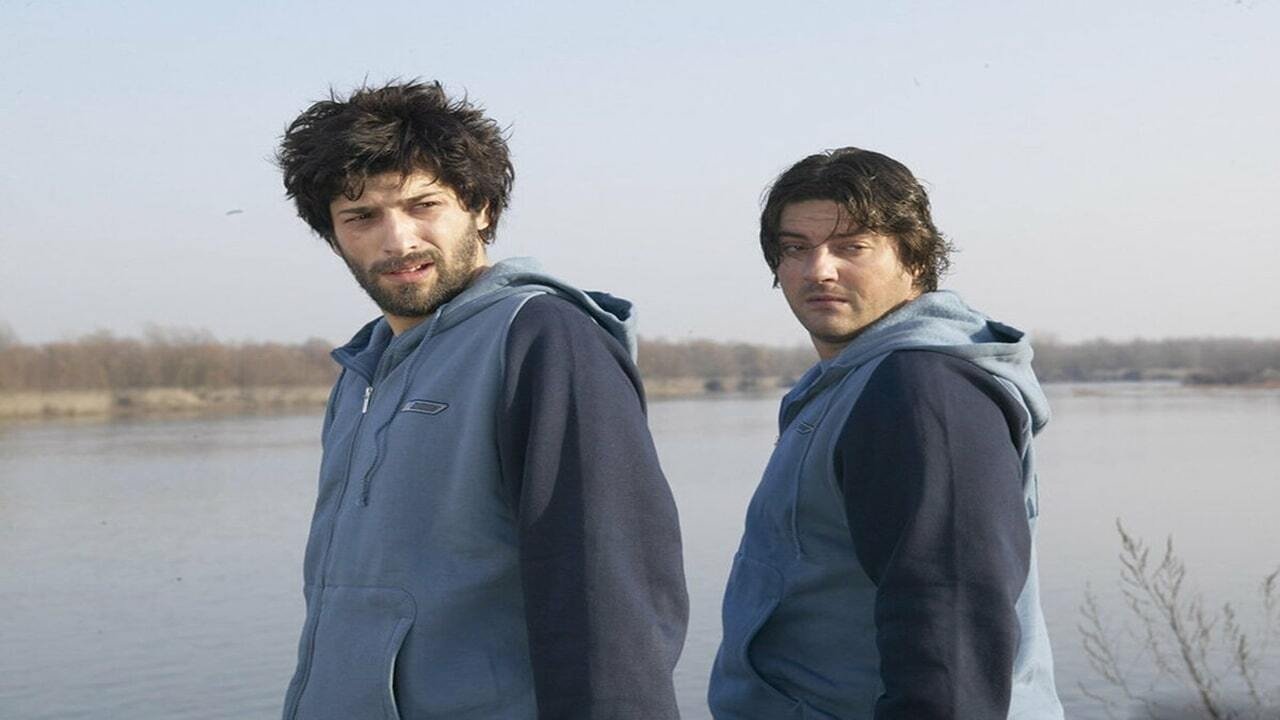
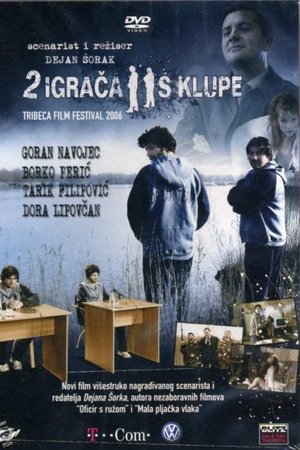


Ante and Dusko are two Dream Team players. Besides being a Croat and a Serb who fought on opposite sides in the war, both used to be volleyball players. Today, they live normal lives, one in a remote craggy region, the other in Banja Luka. There is little chance of them ever meeting again. The International War Crimes Tribunal in the Hague has indicted Colonel Skoko, a hero to some, a criminal to the others. The two main witnesses to his defense, Mato and Joso, have disappeared without a trace. Skoko's sponsor from the intelligence circles, Antisa, wants to find two men resembling Mato and Joso, to impersonate them before the Hague investigators, and hopefully bring down the indictments. Naturally, the two men he finds are none other than our heroes, Ante and Dusko.

Dejan Šorak
Director

Goran Navojec
Ante Jukić

Borko Perić
Duško Katran

Tarik Filipović
Antiša

Dora Lipovčan
Stela

Renne Gjoni
The Hague Investigator
Rea Kamenski Bačun
Ingrid
Ana Marija Bokor
Prevoditeljica
Dražen Bratulić
Službenik Tribunala
Ivan Brkić
Švercer ljudima
Snježana Tomljenović 'Buba'
Šminkerica
Mijo Debanić
Fotograf #2
Court TV shows offer uncritical eyes on the systemic inequalities of the legal world.
The sparks of a dangerous conspiracy ignite a mystery in this sequel based on the mysteries of Sherlock Holmes.
While subverting the conventions of Golden Age cinema with the characteristics of a slasher, Pearl studies the delusions of grandeur inspired by the movies.
I think that the happiness and survival of "Wynonna Earp"’s LGBTQ+ characters is incredibly refreshing in contrast to the prevalence of queer suffering and death in other television.
'An American Werewolf in London' possesses a possible queer reading in the way it envisions a heterosexual romance being undone by the presence of a creature who embodies self-contentment in the face of social alienation.
There's no hiding the horrors of war in this inspiring story of survival