










'Overcast' - MiamisFF Review
The makings of a great midseason filler episode that would connect in many different directions. This is a police drama filler with a guest director.
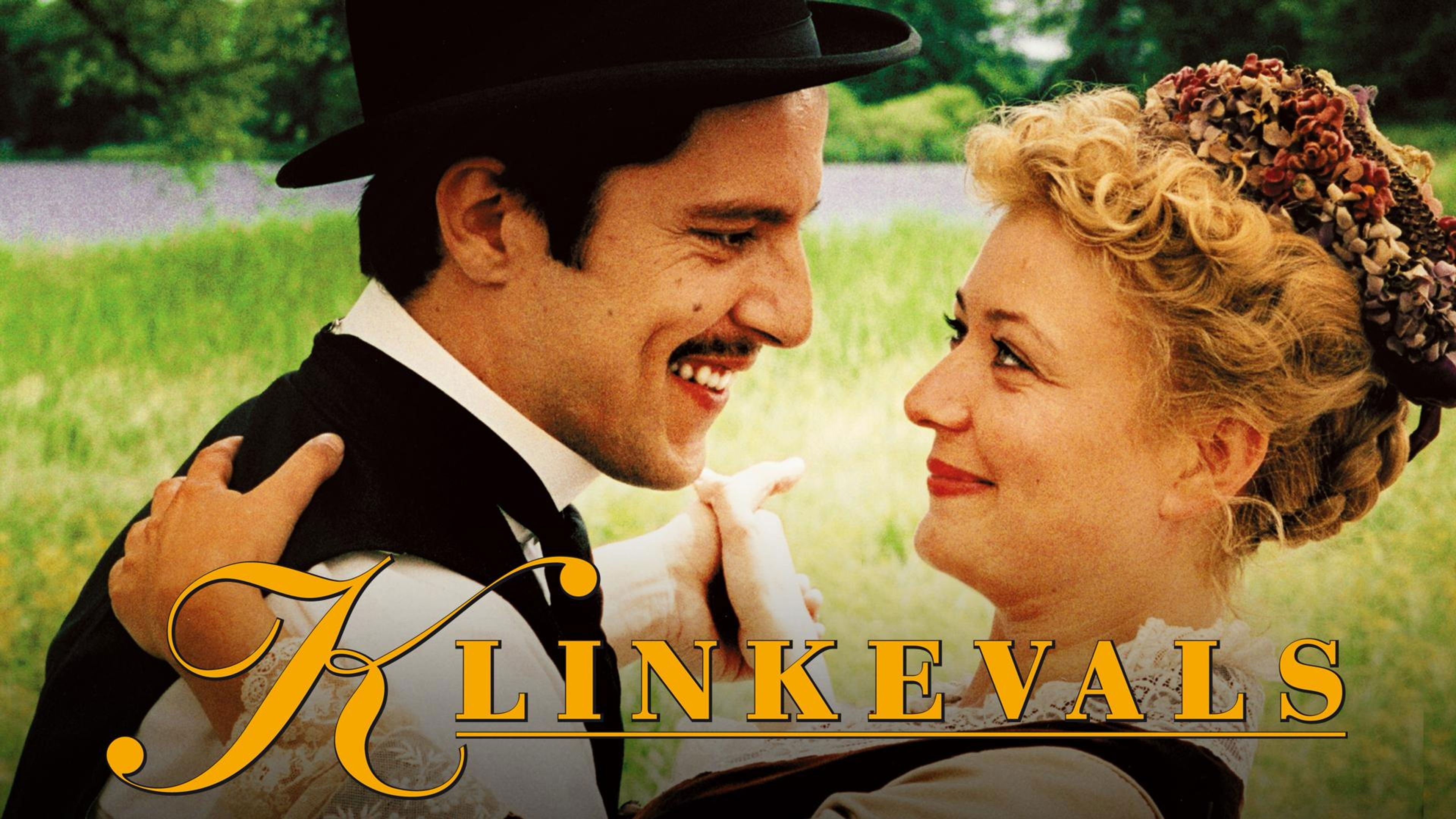
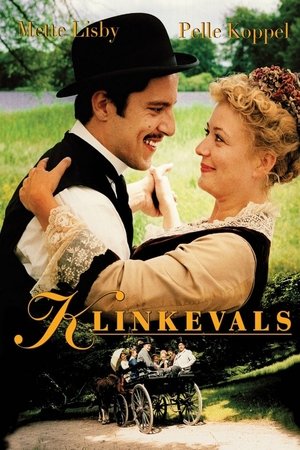


The story of Juliane, a young woman who learns how to take her fate in her own hands and to trust nobody but herself. The plot is set in the Copenhagen tenements of the 1880s. Juliane is trapped in an unhappy marriage to a man who suffers extended periods of insanity. They have two children. She struggles to improve her social status, however, striving to attain the level of her two elder sisters is not easy. The great upheaval comes when she meets Otto, a smith, younger than Juliane, and in many ways her opposite. He is an ardent socialist, whereas she believes in herself. It is love at first sight when they meet and waltz on the pavement, but their passion really bursts into flame as time goes by. At last Juliane has found a man as strong-willed as she is.
The makings of a great midseason filler episode that would connect in many different directions. This is a police drama filler with a guest director.
A science fiction movie brings a strong diverse cast and adventure in outer space.
Our protagonists perform as the opposite gender while still preserving the parts of their personalities that makes themselves who they are.
At Coopers Chase, murder isn’t just tragedy—it’s Thursday’s entertainment. Chris Columbus’ The Thursday Murder Club transforms Richard Osman’s bestselling series into a cozy, clever whodunit where Helen Mirren, Pierce Brosnan, Ben Kingsley, and Celia Imrie prove that life’s sharpest twists don’t stop with age. With llamas on the lawn, cakes at the ready, and secrets around every corner, this star-powered mystery balances charm, humor, and heartache, reminding us that friendship, resilience, and reinvention might just be the ultimate clues.
We chat with Penelope Lawson about her short film, The Dinner Party, her experience founding her own production company, and fun cinema.