




"Exhibiting Forgiveness" Exhibits Excellence
‘Exhibiting Forgiveness’ seeks to ask one question, “What do you do when your parents are the source of your pain?”
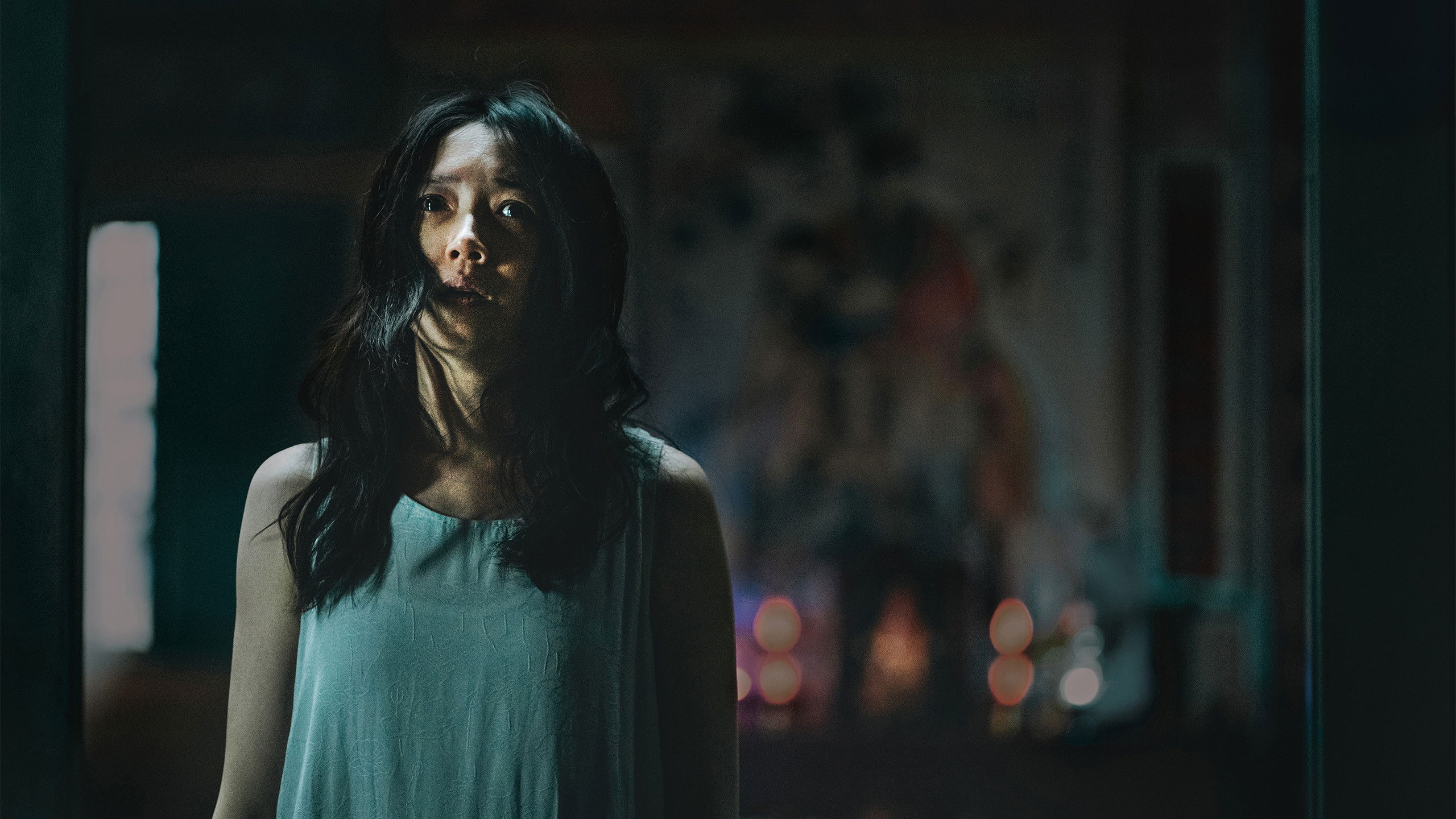



Lin Xiaonan becomes trapped in a mysterious room by a madman. As she attempts to escape, she uncovers the truth about her sister Xiaowen's death. Through a soul exchange, she experiences Xiaowen's life, realizing that everyone around her harbors deadly intentions. The two sisters embark on a perilous journey to escape the confines of the room.
‘Exhibiting Forgiveness’ seeks to ask one question, “What do you do when your parents are the source of your pain?”
If you haven’t watched Good Trouble yet, you need to. This Foster’s spinoff, aptly named for civil rights champion and Congressman, John Lewis, follows Mariana and Callie Adams Foster as they begin a new chapter of young adulthood and navigate life, careers, social justice, and love.
April, a professional dancer, reluctantly trains a group of girls at a dance school for the dance competition.
“Synchronic” is special, but it doesn’t succeed in achieving all the objectives it aims for. The film is a science fiction oeuvre which tries to be cerebral at some points, although the original idea is interesting, it only accomplishes to talk about some serious matters superficially.
The film basically says she was a lost cause from the start. We don't get a sense of who Marilyn was.
Despite its simple premise, “imagine being a woman,” the horror behind "Men" feels fueled by a hollow understanding of the insidiousness of misogyny.