



The Relentless Victimization of Marilyn Monroe in "Blonde"
'Blonde' commits a relentless assault on the autonomy of Marilyn Monroe, reducing the icon to nothing more than a victim of the director's whims.
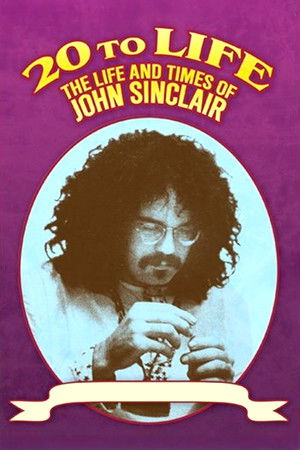


John Sinclair first emerged out of his small-town Michigan background to forge a legendary course through the 1960s as a cultural activist, manager of the MC5, and Chairman of the White Panther Party. An early victim of the War on Drugs who faced 20 years to life in prison for giving two joints to an undercover policewoman, Sinclair served 29 months of a 9-1/2-to-10-year sentence before his legal victory on appeal changed the law for good. The long campaign waged by Sinclair culminated in a massive John Sinclair Freedom Rally headlined by John Lennon & Yoko Ono, Stevie Wonder, Bob Seger, Phil Ochs, Allen Ginsberg and Bobby Seale that resulted in Sinclair's release from prison on December 13, 1971-just three days after the event (Clint Weiler)
'Blonde' commits a relentless assault on the autonomy of Marilyn Monroe, reducing the icon to nothing more than a victim of the director's whims.
This showcase of Hollywood’s finest talent will certainly be around come awards season, and much deserved
Two Summers ago, on May 27th, 2022, the theatrical cinematic realms were re-awakened from their post-COVID dormant state of being by a little film titled "Top Gun: Maverick". It re-introduced us to the absolute elation of seeing not only a highly anticipated (and, granted, 36 years in the making!) sequel, but the return of the quintessential Summer blockbuster to witness on the BIG screen again.
This film is a splendid mix of mediums, but its strength lies in its simplicity and beautiful message of closeness.
Is God Is tells a harrowing tale of retribution, sisterhood, and gender based violence. Far too eerie and clever to be an ordinary slasher, but too gory and merciless to be an ordinary thriller, Is God Is will appeal to the highbrow horror lover with generational trauma anywhere.
The story of the loss of innocence of the young prey who has been maimed by the predator. *Trigger Warning, sexual abuse and assault is discussed in this short film.