Incluvie – Better diversity in movies.
Identity in film with Incluvie stamps, scores, reviews.

Incluvie – Better diversity in movies.
Explore identity in film with Incluvie stamps, scores, reviews, and insights.

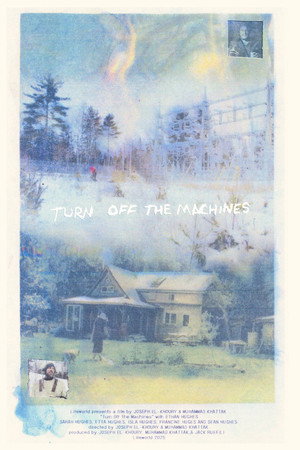
Turn Off The Machines poster

Turn Off The Machines (2026)

Turn Off the Machines follows Ethan Hughes, a radical homesteader in mid-coast Maine who lives entirely without electricity, global supply chains, or modern technological comforts. Raised in Gloucester to working class parents, an early tragedy shattered a happy childhood and set him on a path of radical resistance. Living deliberately below the poverty line, Ethan's life is not a retreat but a protest against capitalism, war, and ecological collapse. The film explores his convictions, his family's daily rhythms, and the tensions that arise when belief meets the demands of life.
- / 5
PopScore
Representation

Pictures and Videos


Incluvie Gala

Movie Information


Turn Off the Machines follows Ethan Hughes, a radical homesteader in mid-coast Maine who lives entirely without electricity, global supply chains, or modern technological comforts. Raised in Gloucester to working class parents, an early tragedy shattered a happy childhood and set him on a path of radical resistance. Living deliberately below the poverty line, Ethan's life is not a retreat but a protest against capitalism, war, and ecological collapse. The film explores his convictions, his family's daily rhythms, and the tensions that arise when belief meets the demands of life.

Rating:
Genre:Documentary
Written By:
In Theaters:3/17/2026
Box Office:

Runtime:42 minutes
Studio:Lifeworld, Wolftale Pictures

Articles You May Like


‘She-Ra and the Princesses of Power’, a Worthwhile Watch to Celebrate Pride Month with the Whole Family!

An aspect of She-Ra that I find refreshing is even though a large portion of the cast is on the LGBTQ+ Spectrum, being gay is never mentioned. While this might initially sound like a negative thing, in the show’s land of Etheria being on the gay spectrum is shown to be so common and normalized that straight isn’t the default. As much as there is to appreciate about narratives revolving around the obstacles that may come from being non-heteronormative, it’s nice to get immersed in a world where no one bats an eye at all to any sort of differing identity.

Andrea Amoroso

