













A Conversation With the Filmmakers of 'When Men Were Men'
Hours before their line-up of screenings for Trans Awareness Week began, the filmmakers of 'When Men Were Men' chatted with me about the film's personal exploration of masculinity.

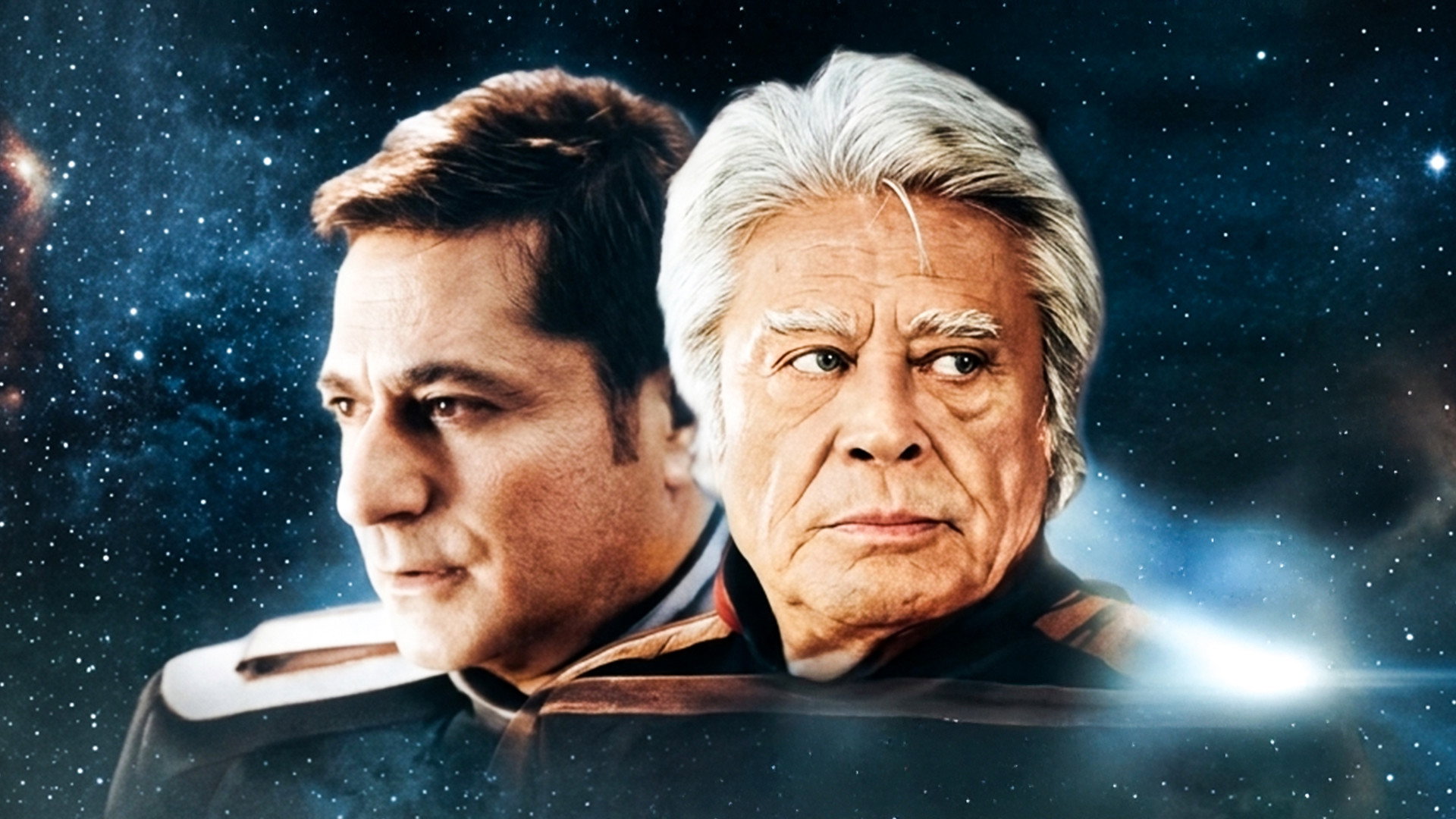
The year is 2055, and the universe is in a state of turmoil, awaiting the formation of a government that can establish universal peace. Until such a time, the Orion Union stands in its stead, an uneasy alliance made up not of planets, but of their individual states, overlorded by unruly gangs, short-sighted tyrants and hissing, domineering queens. In short, chaos reigns.
Hours before their line-up of screenings for Trans Awareness Week began, the filmmakers of 'When Men Were Men' chatted with me about the film's personal exploration of masculinity.
Avatar: The Last Airbender's success fifteen years after its premiere proves the enduring power of its storytelling. But it's more than just a quality show.
Tired of being cooped up in their cages, the critters escape the Australian zoo and try to find their way to the outback.
When they’re young, they’re America’s darlings but, when they become teens and adolescents, they’re instantly perceived as harbingers of immorality. They’re Lindsay Lohan, Macaulay Culkin, Justin Bieber, and Britney Spears. But, despite what many media outlets, politicians, and the general public may think, they are human beings above anything else. The new Billie Eilish documentary, Billie Eilish: The World’s A Little Blurry, proves this — showing the trials, tribulations, and humanity when growing up with all the world’s eyes on you.
A haunting look at grief, survival, and a mother’s quiet collapse in a world that never gave her room to fall.
The sequel to the 2021 remake of the same name continues from where we last left off in this spooky adventure.