






A Closer Inspection of LGBT Characters in Film
We have a long way to go with LGBT representation in film, especially when it comes to LGBT characters of color and trans characters.
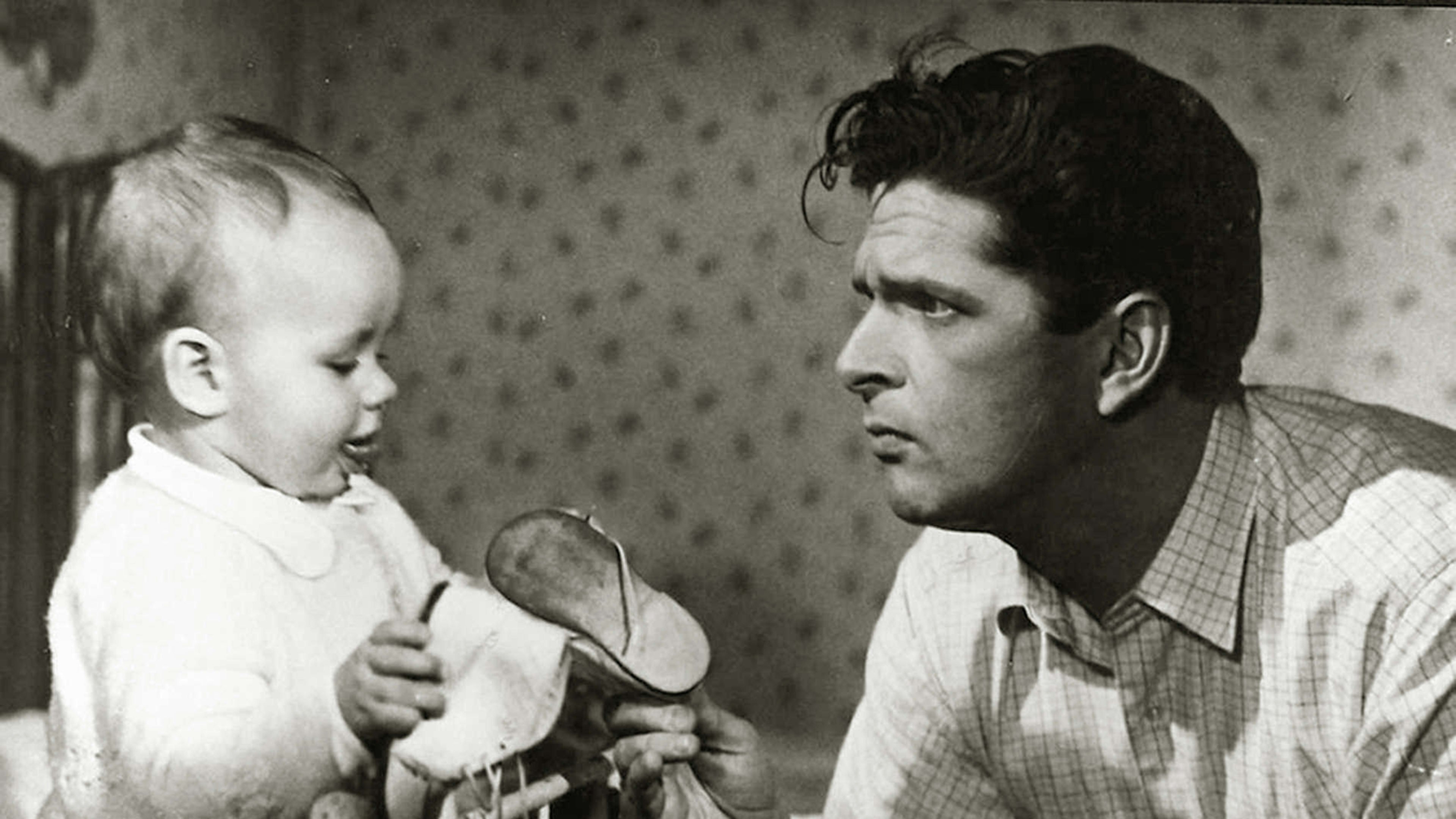
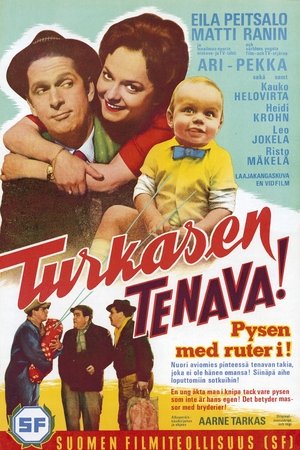


Architect Matti picks up Ritva and her young son while on a business trip. When the car runs out of gas, the travelers are forced to spend the night at a guesthouse, pretending to be a married couple. During the night, Ritva runs away, leaving the child in Matti's care. Matti tries to cope with looking after the child and keeps it a secret from his wife Maija.
We have a long way to go with LGBT representation in film, especially when it comes to LGBT characters of color and trans characters.
A quiet film that does not demand your tears but earns them. It explores love that lingers, timing that fails, and the silence between what was and what could have been.
With mismatched eyes, a willingness to experiment with hair color and style, and a rail thin frame, Bowie always drew attention. But he shunned gendered attractiveness, creating his own space somewhere in between. This hallucinatory and often nonlinear 2022 documentary is a perfect salute to David Bowie’s life and career. Rather than interviewing those that knew Bowie, the standard convention for biographical portraits, director Brett Morgen mostly lets the artist’s images, performances, videos, and words speak to capture the essence of the artist. Bowie was more than just a pop star. He painted, sculpted, acted in films, and was a thoughtful and articulate person who gave sincere answers to even the most shallow interview questions.
I think these messages and the way they are presented in this small-town in Texas are increasingly more important as the internet/ social media becomes more and more critical and judgemental every day. Love yourself today and every day because as Ru Paul always says: “If you can’t love yourself, how in the hell are you gonna love someone else?”
A refreshing twist is that all the kids’ powers are…kind of useless. There’s a kid who can only move in slow motion, a kid who has every power in the world but can only use them randomly, and our main character Missy who has no powers at all. The thesis of the film seems to be that it doesn’t matter what kind of powers you have, its the way you use them, which is good for the warm and fuzzies.
The “gay best friend”, an age-old trope, has been done in countless films and television series. Ranging from one-note (Sex and the City's Stanford and Mario) to nuanced (Unbreakable Kimmy Schmidt's Tituss), the gay best friend exists to support and advise the main protagonist, with their conflicts swept to the side.