
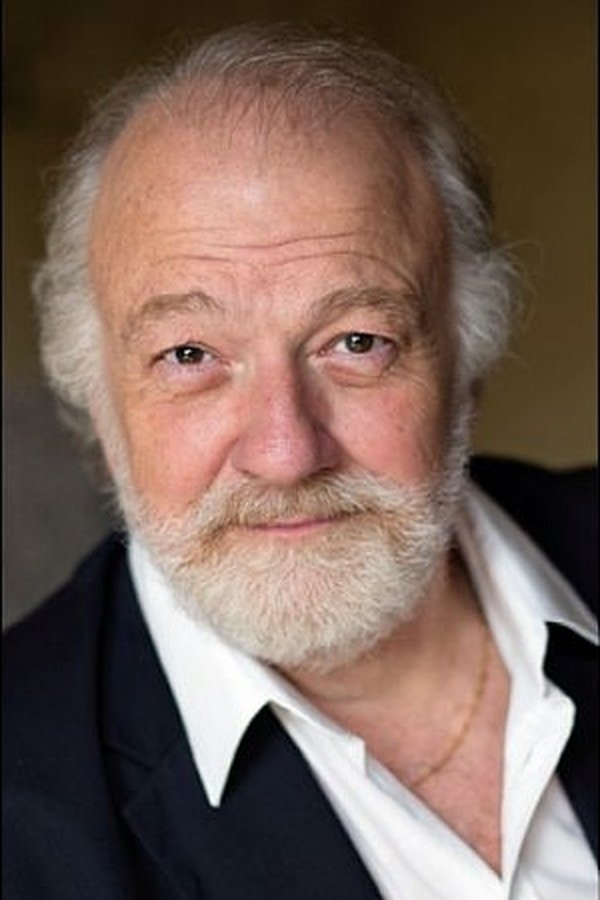
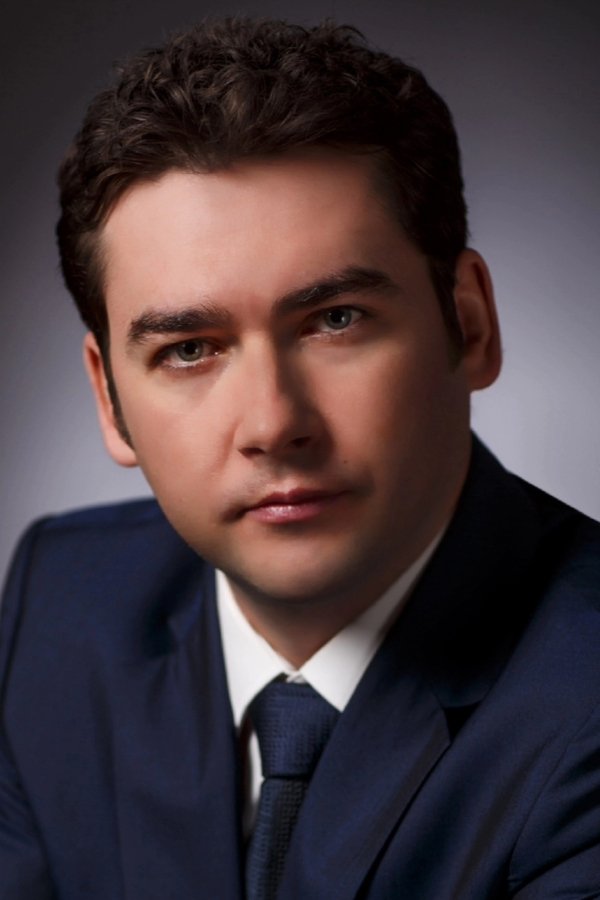
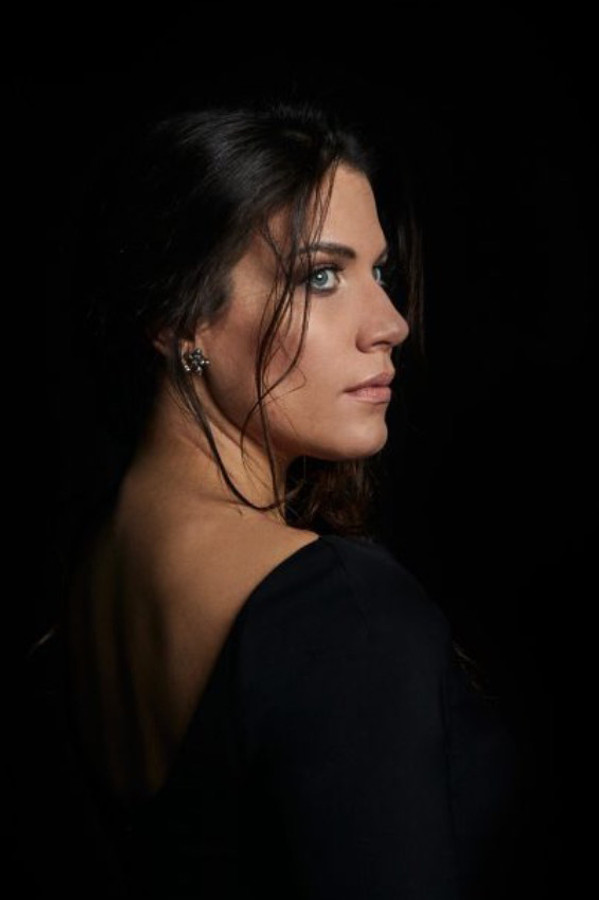

“Boy”
Slip on your favorite dungarees and spend the day on the east coast of New Zealand before the 90s.



Puccini’s last opera is all about riddles. The Emperor of China rules over the Forbidden City of Peking. His unmarried daughter, the Princess Turandot, has refused her hand to all her princely suitors by putting them to a test. She sets them three riddles; if they do not answer them correctly, they will lose their heads. As unlucky suitors fail and fall, up steps Calaf, a prince of the Tatar people. Daniel Kramer’s new staging in Geneva transposes the old fairy tale to a futuristic world where Turandot’s magic holds sway. In a dystopian game show, reminiscent of Hunger Games, the Princess presides over a surveillance state in which men are culled and the reproduction of the human race is conducted in breeding labs.
Slip on your favorite dungarees and spend the day on the east coast of New Zealand before the 90s.
When it comes the horror genre, I am VERY hard to please or impress, much less scare. Coming from a current mindset of appreciation for chilling, unsettling, tension-inducing efforts such as "Hereditary", "The Conjuring" (ONLY the first one to date, mind you), "Lights Out", "The Babadook", "Midsommar", "Talk To Me", "Oddity", "Bring Her Back", and the like
An adventure that centers on freedom and captures viewers' hearts.
After We Collided is a sequel to last year’s After, which itself was based on Anna Todd’s 2014 novel of the same name, and which was originally published as a Harry Styles-centric fan-fiction on WattPad (a similar path as E.L. James’ Fifty Shades of Grey series).
The 2020 remake of 'The Invisible Man' explores the hidden nature of domestic violence with a classic sci-fi character.