








Dead Poets Society Steals a Queer Story
Dead Poets Society relies on patriarchal tropes such as overbearing fathers, contrived brotherhood, and faux-individuality in order to portray its straight white male characters as oppressed.
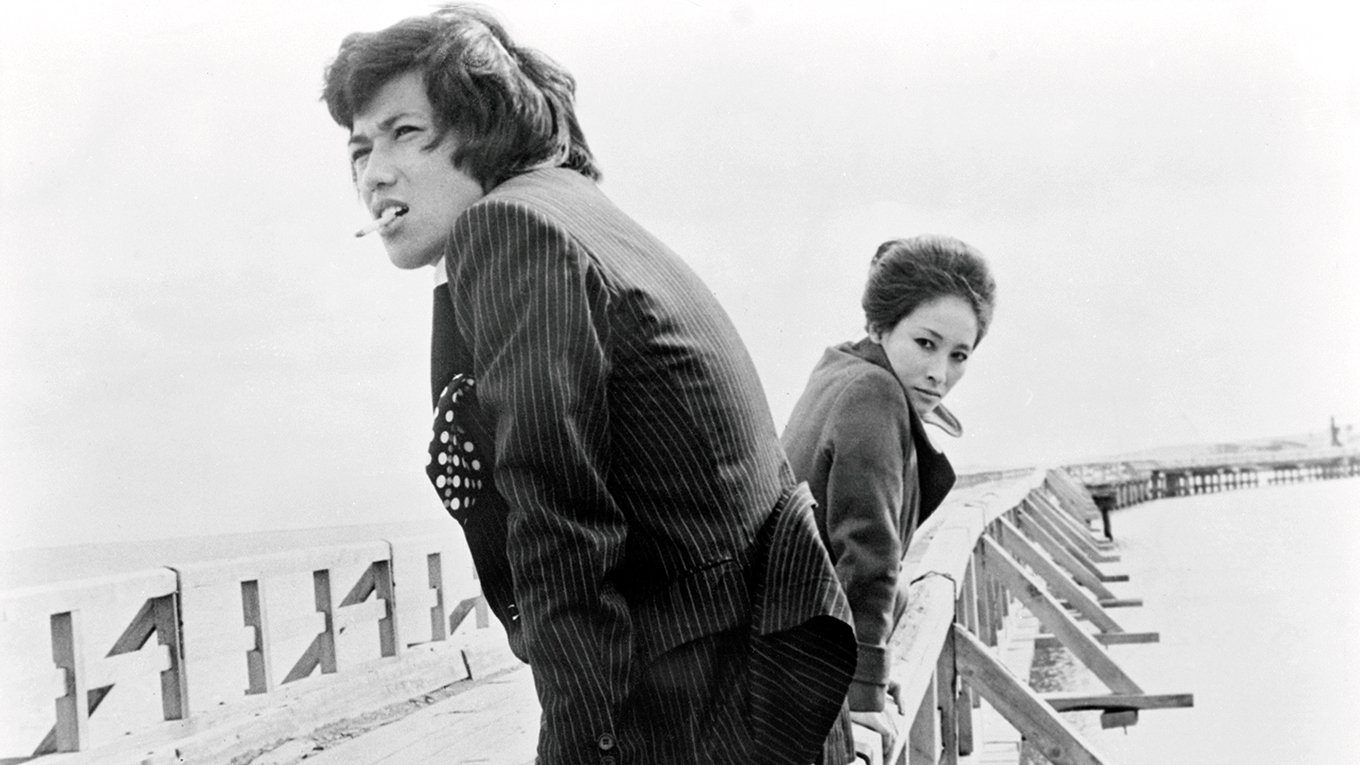
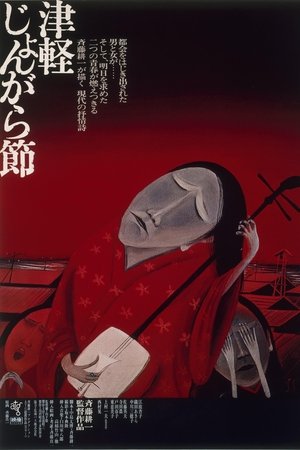


A young girl is being asked about a man with whom she was keeping company, as her grandmother plays a lament on a shamisen. Then the focus changes to a couple arriving from Tokyo - the woman returning to her home, the man an escapee from the yakuza. The man doesn't seem to mind when the woman sells her favours to tourists at the local bar, just as she seems to take his attentions to Yuki, a blind girl, with equanimity.
Dead Poets Society relies on patriarchal tropes such as overbearing fathers, contrived brotherhood, and faux-individuality in order to portray its straight white male characters as oppressed.
The concept of male fragility is explored (interestingly, by a male director) in The Sun Never Sets
With a quirky outline, Project Hail Mary stays within the bounds of human language and imperial fantasy.
GOAT (2026) opens to the chanting of a crowd: "Roots run deep!" The rest of the film goes on to echo that sentiment, offering gorgeous animation and a heartfelt story along the way.
Rare in the days of franchise sequels and indie horror films that dominate the screen in 2026, Netflix’s latest original release, Remarkably Bright Creatures, is a feel-good family movie that leaves nothing to be desired except tissues. Starring Sally Field and Lewis Pullman as two cleaners at a small-town aquarium, Remarkably Bright Creatures reminds viewers that humans are social animals whose strength comes not from our intelligence or our opposable thumbs, but from each other.
This young adult movie focuses on relationships in this high school reunion.