


The Kardashian's 'Pick Me' Brand of Empowerment on New Hulu Show
On their new show, The Kardashians, the famous family continues to use their personal lives as advertisements for thier billion-dollar businesses.
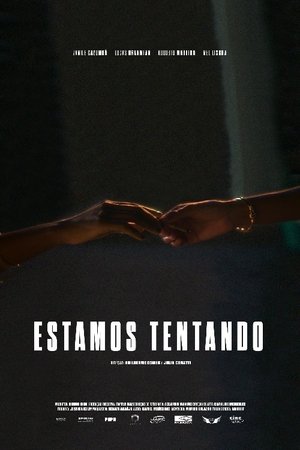


Down on her luck after an exhaustive job search, Luna returns to the home of her childhood friend following another failed interview. They commiserate over wine, working to re-establish their relationship as young adults navigating São Paulo, Brazil.
On their new show, The Kardashians, the famous family continues to use their personal lives as advertisements for thier billion-dollar businesses.
Welcome to a special episode of the Incluvie Movie Highlights. This summer we held the Incluvie Short Film Festival. The film festival discovers and brings to light some outstanding short films starring main characters from diverse backgrounds, who are often overlooked in Hollywood. The filmmakers and actors from the 3 winning films came in and talked about their process and what it was like to make the film.
Amanda Riley gets the opportunity to travel to Vietnam for the experience of a lifetime.
In The Women and the Murderer, directors Mona Achache and Patricia Tourancheau center women—the very demographic true crime is designed to appeal to.
Given Hollywood's history of racism and financial motivations, how much progress can we expect? Plus: a list of excellent films by Black directors.
If I had truly wished to witness "Guardians of the Galaxy", I would have stayed home to do so. Instead, I went to the IMAX and took in this newest incarnation of one of the most recognized and adapted superheroes in the DC Universe. **Sigh** Let me be clear here. I am NOT saying this is an AWFUL film.