









Incluvie Classics - 'Ganja & Hess'
'Ganja & Hess' is a 1973 experimental horror film, written and directed by the visionary auteur Bill Gunn. It was meant to be a straightforward blaxploitation film – but director Gunn had grander ambitions.

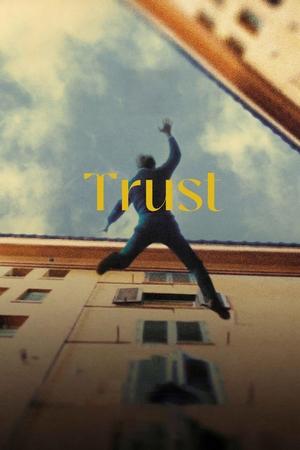
Pietro is a revered teacher, Teresa his brilliant and precocious student. Their affair is both illicit and tempestuous. After one fight, Teresa suggests that each tell the other a secret, one so shameful or shocking that were it to be made public, it would destroy that person’s life. Time passes, Pietro’s stature as a writer grows and his family settles into the comfort of a bourgeois life. But he is haunted by the possibility that Teresa may one day reappear and tear apart his world with the secret she knows.
'Ganja & Hess' is a 1973 experimental horror film, written and directed by the visionary auteur Bill Gunn. It was meant to be a straightforward blaxploitation film – but director Gunn had grander ambitions.
'Rag Tag' encompasses the diversity within the African Diaspora by showing London Nigerian men learning to regulate their emotions while navigating love and societal pressures.
This thrilling film about feminine rage and male hostility is an incredible depiction of the fragility of the male ego.
In Spike Lee’s She’s Gotta Have It (1986), we follow the love life of powerful female protagonist Nola Darling (Tracy Camilla Johns) and explore the relationship dynamics she has with her partners. She sees three men simultaneously: Greer Childs, (John Canada Terrell) Mars Blackmon (Spike Lee), and Jamie Overstreet (Tommy Redmond Hicks). Though an 80’s film, She’s Gotta Have It is surprisingly progressive with its themes of female sexuality, although at some points in the film it is handled clumsily. Overall Nola is an incredibly compelling character especially for modern women, as we as a society acknowledge female sensuality more and more without the negative stigma.
CODA' is about a child of deaf adults torn between staying with her parents and her dreams of pursuing music. This film is a step forward for deaf representation and disability in movies despite negative messages about the burden of actors deaf deafness.