



'The Dinner Party' — MiamisFF Review
A young woman finds herself trapped in a crossfire of awkwardness during a nightmarish dinner party with her boyfriend's dysfunctional family.
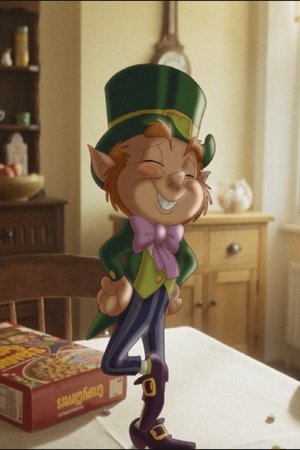


Set in the 1990s, Tricky begins in a London animation studio run by a husband-and-wife team famous for creating beloved cereal mascots. Their world crumbles when new regulations ban sugary ads targeted at children, effectively cancelling their entire industry overnight. The husband flees to America, leaving behind his wife and their daughter, Maya. Decades later, Maya’s 12-year-old daughter, Charli, discovers a VHS tape of the old commercials. Hoping to connect with the grandfather she’s never met, she uploads digitized clips to TikTok using AI tools. But the experiment goes horribly wrong: her viral videos open a portal between worlds, unleashing the once-cute mascots, now twisted, AI-enhanced monstrosities, into the real world.
A young woman finds herself trapped in a crossfire of awkwardness during a nightmarish dinner party with her boyfriend's dysfunctional family.
Dora is the superhero we didn't know we needed.
From the cinematography to the script to the acting, Sorry, Baby is undoubtedly one of the best films of the year.
'Ms. Davis’ Close Friend' will make you think about the meaning of death and what it means to be alive, and if there’s really a race to be run with one's inevitable demise.
'Bros' is a must-watch for October's LGBTQIA+ History Month and it's as good a rom-com as any! Don't let box office numbers or misguided reviews deter you from this great film.
Being made after the death of Chadwick Boseman will be a hard but exciting ride for this Marvel entry.