
“Leviticus” and Leviticus
Like most young people, Leviticus is imperfect. But I love it anyways.

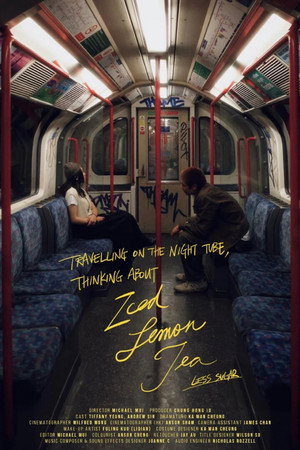


On a quiet London night, a boy and girl from Hong Kong meet by chance and travel together on the Night Tube, searching for iced lemon tea, less sugar.
Like most young people, Leviticus is imperfect. But I love it anyways.
The relationship between Will and Sean is the best part of the movie. It’s always a delight to see Robin Williams on screen
Netflix’s Shadow and Bone has a complicated relationship with race. It has a diverse cast, but not without its problems. Based on Leigh Bardugo’s two book series, the show features characters from the Shadow and Bone trilogy, which is very straight and white, and the Six of Crows duology, which is much more diverse. When bringing together a cast and writing about these characters, the team behind the show expanded upon some of the representation missing from the first trilogy, then seemed to take away representation from the duology. Shadow and Bone seems to play a bit of a push and pull game when it comes to portraying diversity onscreen.
Darren Aronofsky’s Caught Stealing is a gritty, darkly funny thrill ride through 1998 New York, with Austin Butler delivering a raw, magnetic turn as Hank Thompson—a washed-up ex-ballplayer turned bartender whose life implodes after cat-sitting for his punk neighbor drags him into a violent underworld of gangsters, crooked cops, and chaos. Brutal yet unexpectedly hilarious, the film blends noir grit with midnight-movie absurdity, proving Aronofsky can reinvent himself while Butler cements his status as a true movie star.
A best friend that will stick with you to the end, on a group trip from hell, is someone to die for.
Making Apes begins by looking back at the history of makeup effects in Hollywood, which was revolutionized by Jack Pierce, the person behind Frankenstein (1931) and The Wolf Man (1941)