
Mahavatar Narsimha Movie Review – A New Era for Indian Animation
Mahavatar Narsimha (2025) brings the epic tale of Hiranyakashipu to life with stunning animation, intense action, and a bold retelling of this timeless mythological drama.
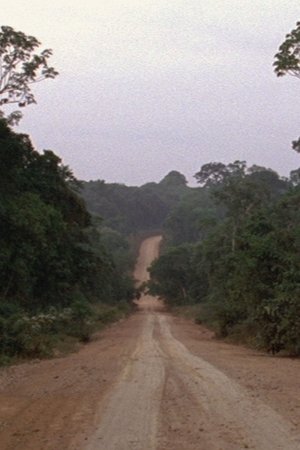


Travelling Amazonia was shot on the Transamazonian Highway, about 2,600-mile-long road cutting through Amazonia's vast forest. The construction of the Transamazonia generated industries around the extraction of natural resources like metal, wood, and rubber. In this film, these materials are used to build a dolly and tracks to realise a travelling shot upon this road. Through the realisation of this camera movement, which re-enacts the idealism of the Transamazonian project, this film addresses the processes and pioneering ideas invoked by the Brazilian military dictatorship in the building of this highway.
Mahavatar Narsimha (2025) brings the epic tale of Hiranyakashipu to life with stunning animation, intense action, and a bold retelling of this timeless mythological drama.
A surprise sequel takes place ten years after the original movie based on the title of the same name, but with a twist to the fairy tale.
Ultra-violent storytelling has never been my thing, but the issues with Scarface go beyond that. The film perpetuates harmful stereotypes about Latinx immigrants and uses gore and misogyny for shock value that never serves any purpose. The whole venture is frustratingly empty, and left me desiring something more.
The quiet ache of guilt sitting at the dinner table, the silence after a truth is buried, and the way pain is passed down like a name.
"La Noria" deftly subverts audience expectations as it explores childhood grief, anxieties, and pain. The award-winning short shows us that often our monsters are often sprung from our darkest places.