
“Elsewhere” is Heartbreaking and Heartwarming
Elsewhere is less than fourteen minutes long, but it delivers a more emotional impact than most feature-length films.
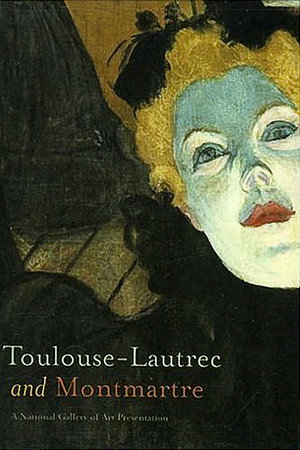


Henri de Toulouse-Lautrec (1864-1901) is renowned for his paintings and posters inspired by the rowdy, edgy spectacle of entertainment in late nineteenthcentury Paris. He found his subjects in the dance halls, cabarets, circuses, and brothels of the Montmartre neighborhood, where middle-class visitors came for a whiff of excitement laced with danger. His images of performers at the Moulin Rouge, Chat Noir, and other fashionable nightspots transformed the poets, singers, and dancers of Montmartre including Aristide Bruant, Jane Avril, and Yvette Guilbert into celebrities. This film traces the relationship between the aristocratic painter and the avant-garde culture of Montmartre, using works of art by Lautrec and his colleagues, rare archival footage and sound recordings, period photographs, and interviews with contemporary scholars.
Elsewhere is less than fourteen minutes long, but it delivers a more emotional impact than most feature-length films.
Even without the messaging, Mercy does not hold up as a movie. It's sloppily done and the mystery doesn’t tie together at the end.
Emma Stone (Estella and Cruella) and Emma Thompson (the Baroness) did not come to play around in Cruella. They embodied the perfect balance of sinister and sincere. Estella went through a great hero's journey, and what a journey it was!
If you were to watch it on streaming when you have nothing to do, it’s still probably a giant waste of time, but you could do far worse. Paying $18 for a movie ticket and who knows how much for concessions turns this from an exercise in boredom to an exercise in frustration.
Remakes. Reboots. Reinventions. Redundancy. It's the common practice in Hollywood of late, sometimes offering us victorious reimagining of what can be considered cinematic classics while also, more often, falling flat on their UN-imaginative faces in utter defeat and lackluster results. Admittedly, with this in mind, I went into the newest incarnation of "The War of the Roses" with typical trepidation and cautious optimism.
Adam McKay might have been more concerned with cramming cameos than he was in this story which is a bloated criticism of the rich and famous… delivered unto us by the rich and famous.