



We're 'All Together Now' to Give a Hand
Can a homeless yet optimistic teenage girl learn to accept a helping hand?
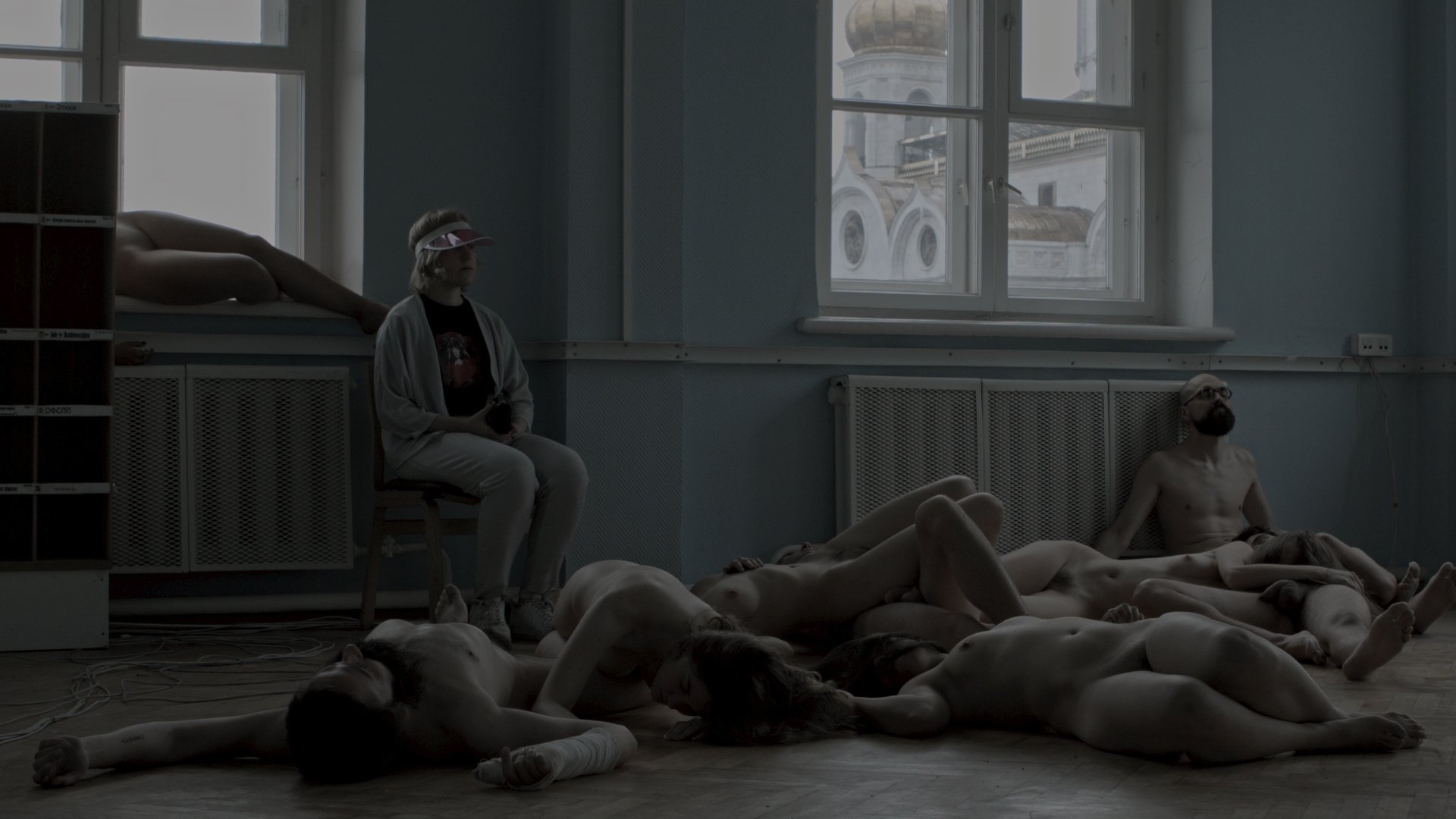
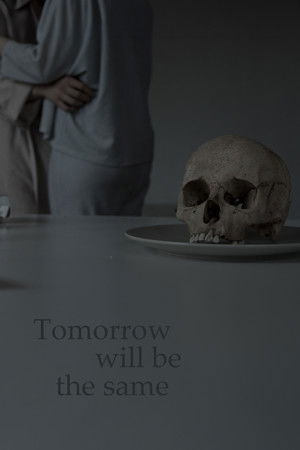


Insatiable lust reigned over senseless flesh. Like august flies, trying to escape certain death, people before the apocalypse started to copulate, until every single one was completely exhausted. Only two people remained untouched. Having merged, like Salmacis and Hermaphroditus, in music that gave them eternal life, they wander timeless, empty spaces. Their destiny - to save humanity. But humanity means nothing to them. Main characters of the movie, Kirill Shirokov and Sasha Elina, are real musicians and founders of 'the same' ensemble, specialized in performing quite music related to certain space and time. During the film they perform music from ‘every day melodies’ series composed by Kirill Shirokov. The movie is the first part of mini-series discovering the territory of contemporary art music.
Can a homeless yet optimistic teenage girl learn to accept a helping hand?
The live-action remake brings adventure and shows viewers why representation is important in a Disney Princess movie.
With a quirky outline, Project Hail Mary stays within the bounds of human language and imperial fantasy.
Netflix's new thriller Apex, starring Charlize Theron, puts a twist on survival horror. Despite its setting in the beautiful- yet-dangerous Australian wilderness, Apex is not a movie about man vs. nature. Instead, it’s woman vs. man. While checking out the title card and its unpretentious Netflix release might lead viewers to believe Apex is just another celebrity project churned out of the streaming machine, Apex - whether by luck or by intention - is a consistently harrowing film about the reality of being a woman in a public space.
A brief look at two Barry Jenkins films that have established him as one of the greatest filmmakers of our time.
Although the budget was a dollar and a dream, Netflix's 'First Kill' managed to gain over 90 million viewing hours and a small cult following. So why was it canceled? Given the trends in series cancellations, it may have been because of the Black and queer protagonists.