

Dead Poets Society Steals a Queer Story
Dead Poets Society relies on patriarchal tropes such as overbearing fathers, contrived brotherhood, and faux-individuality in order to portray its straight white male characters as oppressed.
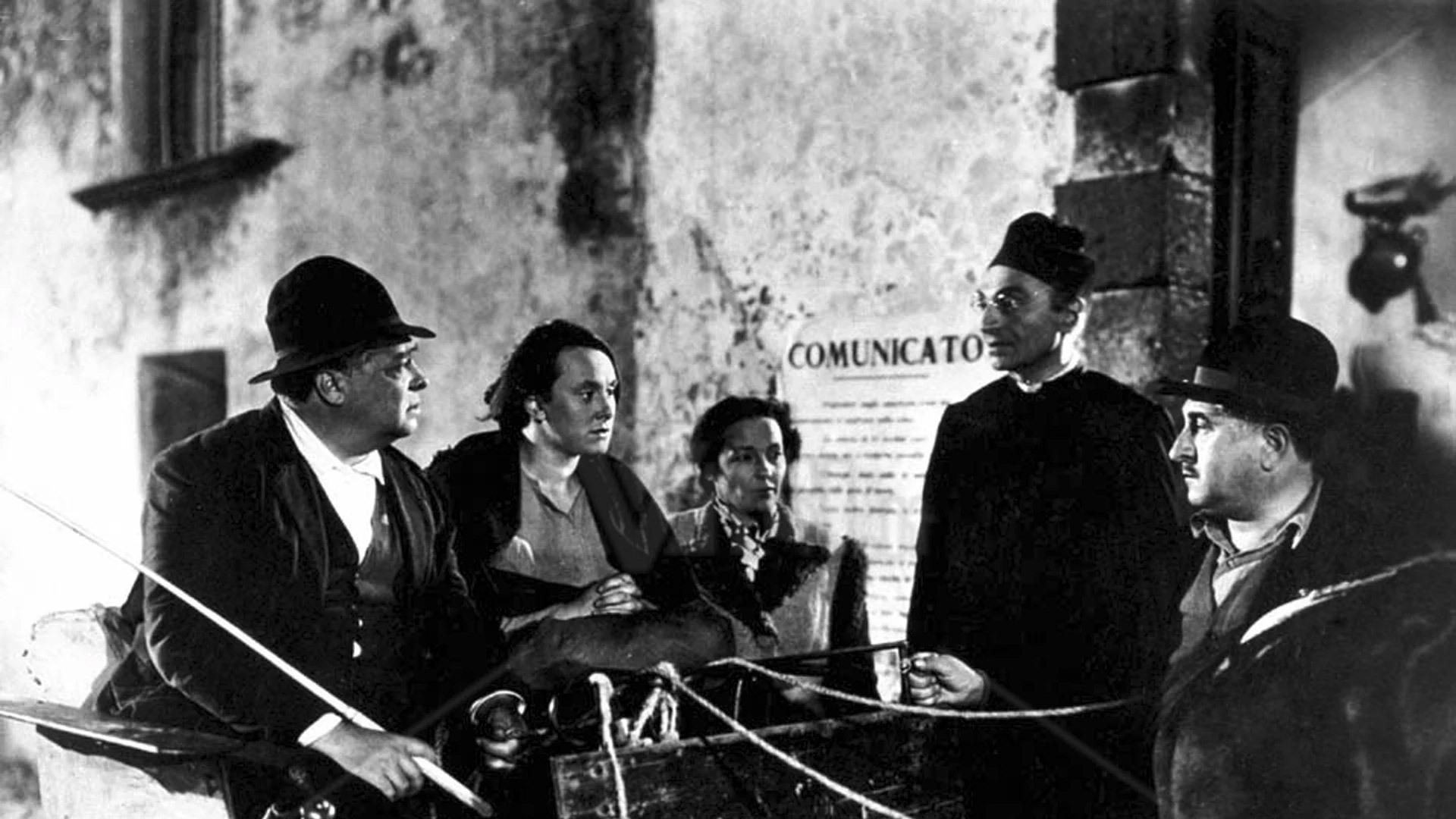



An American prisoner, hidden by some Umbrian farmers, meets, drunk, with a German soldier who is also drunk. The two believe that the war is over and embrace each other emotionally. But it is not so and soon the cannon will thunder. Uncle Tigna, who was hiding the prisoner and two of his companions, will fall victim to the Nazis.
Dead Poets Society relies on patriarchal tropes such as overbearing fathers, contrived brotherhood, and faux-individuality in order to portray its straight white male characters as oppressed.
Self expression among teenagers is explored in the live adaptation of Jerry Spinelli's novel of the same name.
The thing is, people like Wahlberg will only apologize if they have something to lose, which he did. His glamorous life, his reputation, and his career were all at stake.
This current year, as well as the past several, has seen a slowly building increase in something the horror genre has required for quite a while in this critic's opinion...originality. I've stated before that I am very hard to please when it comes to this vein of the film industry's offerings, always leaning more towards that which sends chills through my very being in lieu of buckets of blood and gore.
Some people’s first introduction to Mira Nair might be as New York mayor Zohran Mamdani’s mom. But with her insightful direction of 1991’s Mississippi Masala, Nair shows how much she deserves to be known as an artist. Delivering a nuanced portrait of a romance between a Black man and an Indian woman living in the South, Nair explores the complications each character faces, giving both equal weight.
Religion, race and generations collide in this romantic comedy starring Jonah Hill