
Sick or Evil or Both: “My Friend Dahmer” and the Coverage of White Killers
This HBO mini-series asks why a young white man turned to violence and finds no easy answers. But why do we only ask questions about certain kinds of killers?
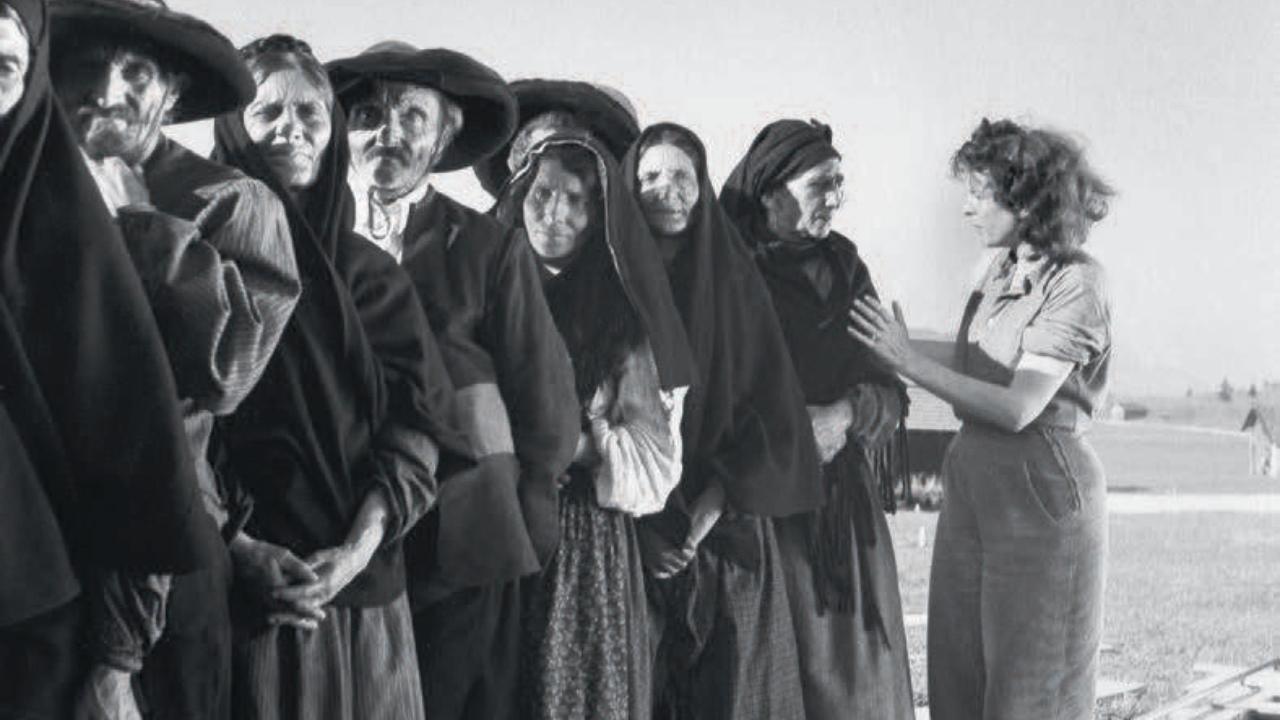
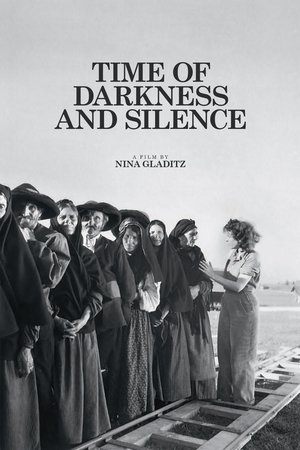


An investigation of Leni Riefenstahl’s infamous film production of “Tiefland” during the Holocaust, one which used Sinti extras under forced labor conditions. After filming finished in 1944, these extras were sent to Auschwitz. Nina Gladitz interviews the survivors and perpetrators, wondering if Riefenstahl knew this would happen at the end of production. Tiefland was filmed from 1940-1944 but was not released until 1954. Leni Riefenstahl sued Gladitz over the documentary.
This HBO mini-series asks why a young white man turned to violence and finds no easy answers. But why do we only ask questions about certain kinds of killers?
This year, in light of the pandemic and the inability to gather with our loved ones, a few of our staff members reviewed their favorite holiday films with the hope of recreating some of the sentimentality that reminds us of home.
Despite everything it was capable of, all of these poor choices strung together amount to nothing more than a counter-productive film.
How closely should film adaptations follow their source material? Let's take a deep dive into "Norma Rae", and find out.
Like all modern societal phenomenons, it started with a meme. This one highlighted that when there’s a mom in a Pixar film, she is almost without fail given striking curves that highlight the bottom half of her body following a minuscule waist. From Elastigirl to the skeletal Mama Imelda, the animation giant’s artists seem to have a fixation on making exaggeratedly curvy maternal characters.