
Michelle Payne Learns How to 'Ride Like a Girl'
Horse racing is a very difficult sport and challenge, especially for a young woman like Michelle Payne.
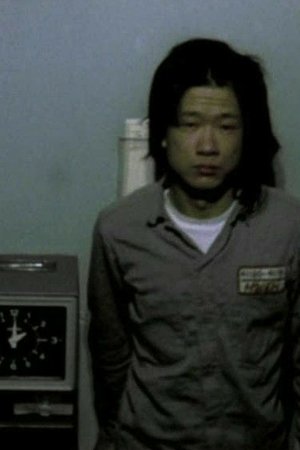


For one year, Tehching Hsieh punched a worker’s time clock located in his studio, on the hour, every hour. Marking the occasion by taking a self-portrait on a single frame of 16mm film, the resulting reel documents a year in his life at approximately one second per day – a pace that is polar opposite of the enduring length of the original performance. The punch cards, witnessed by a third party for authenticity, and other ephemera, document Hsieh’s life restructured around this highly repetitive task.
Horse racing is a very difficult sport and challenge, especially for a young woman like Michelle Payne.
Remakes. Reboots. Reinventions. Redundancy. It's the common practice in Hollywood of late, sometimes offering us victorious reimagining of what can be considered cinematic classics while also, more often, falling flat on their UN-imaginative faces in utter defeat and lackluster results. Admittedly, with this in mind, I went into the newest incarnation of "The War of the Roses" with typical trepidation and cautious optimism.
If you haven’t watched Good Trouble yet, you need to. This Foster’s spinoff, aptly named for civil rights champion and Congressman, John Lewis, follows Mariana and Callie Adams Foster as they begin a new chapter of young adulthood and navigate life, careers, social justice, and love.
"King Richard" paints a nuanced portrait of a Black father trying to ensure his daughters’ success in a racist, misogynistic world. Yet, Richard and his kids overcome that fear and adversity to succeed.
"Be good. It doesn’t mean you can’t be tough. It doesn’t mean you always have to be nice. Just be good."
The 1950s lesbian romance is stunning, emotional, restrained, and, simply put, one of the best movies I’ve ever seen depicting a woman-loving-woman (WLW) relationship.