




Staff Picks: Inauguration Edition 2021
It’s almost the end of the first month of 2021, and just over a week since the U.S. saw a new president take office. In light of the occasion, some of us highlighted our favorite political films below!
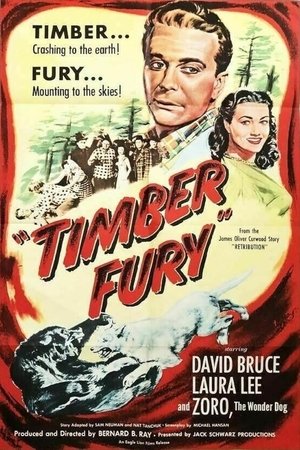


Phyllis Wilson (Laura Lee) returns to the lumber camp owned by her father, Henry Wilson (Sam Flint)), and finds him in a struggle to keep his holdings. Wilson's foreman, McCabe (George Slocum), is employed by Wilson's enemy to destroy his company. Jim Caldwell (David Bruce), an engineer, is hired by Wilson and falls in love with Phyllis. McCabe kills Wilson and Sheriff Williams (Lee Phelps) thinks Caldwell is the killer.
It’s almost the end of the first month of 2021, and just over a week since the U.S. saw a new president take office. In light of the occasion, some of us highlighted our favorite political films below!
The major flaw of the series is that it’s hosted on Netflix and barely makes malicious comments about it despite being focused on the lives of people directly affected by the Capitalist mentality of the OTT corporation.
Battles will come and go and queer people do die for their identity and fights for rights, but that doesn’t mean the gays don’t deserve their happy endings in stories.
Spotlighting the legacy of the legendary Raymond Lewis through the love of a devoted daughter.
Throughout Brendan Fraser’s career, he has played a plethora of unique, layered characters who explore the importance of not being afraid to display your emotions, something that is often seen to not be a masculine trait. This idea of regulating emotion and what traits men are able to possess creates a toxic atmosphere for men who are often told they should not cry or represent their emotions in any physical way. These characters represent that men can be joyful, emotionally conscious, and sensitive, while also representing their masculine identity instead of painting those qualities as fighting against their masculinity.
Viewers get a glimpse of life of mediocrity in a world where humans and cartoon characters live together in this comeback.