A Haunting Portrayal of Motherhood in "The Lost Daughter"
'The Lost Daughter' doesn't paint over the choices Leda and Nina make as mothers as right or wrong but examines the messy in-between.




At 56 years of age Mita Pantic is still only a junior clerk in his company. Another typical workday for him is starting at 6 a.m. as frustration awaits at every turn from the moment he gets up. Trying to get ready to go to work, he can barely get a turn to use the bathroom in the crowded apartment. Other members of the household are not without their frustrations either, meaning that nagging and shouting are a staple of their home life at any time of day.

Milivoje 'Mića' Milošević
Director

Nikola Simić
Dimitrije Mita Pantić
Milan 'Lane' Gutović
Srećko Šojić

Rahela Ferari
Mitina majka
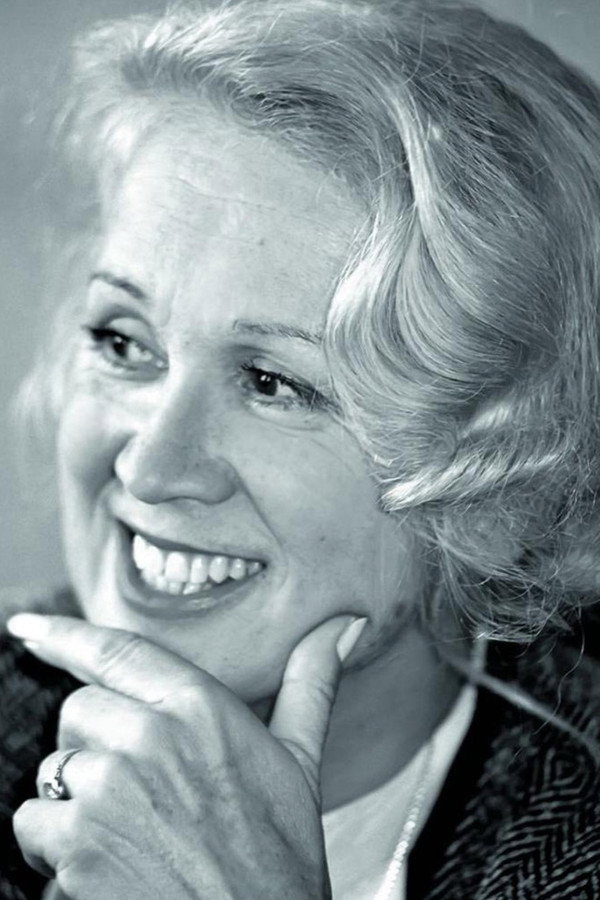
Ružica Sokić
Persida Pantić

Irfan Mensur
Profesor 'Japanac'

Lepa Brena
Lepa Brena

Jelica Sretenović
Podstanarka

Danica Maksimović
Mira Pantić
Nada Vojinović
Melita, Šojićeva sekretarica
Aleksandar Todorović
Saša Pantić

Gojko Baletić
Branko Pantić
'The Lost Daughter' doesn't paint over the choices Leda and Nina make as mothers as right or wrong but examines the messy in-between.
How powerful can a story be when it is stripped to the bare essentials of just a room, a handful of people and raw human voice?
Can a piece of bad representation truly be reclaimed? We Are Pat (2025) attempts to answer this question.
This reboot of The Wonder Years is told from the lens of a Black man.
This HBO mini-series asks why a young white man turned to violence and finds no easy answers. But why do we only ask questions about certain kinds of killers?
We sat down with Writer/Director Albert Acosta to discuss his debut short film, (ha-ha), Acosta's foray into narrative cinema, and how his personal experiences have shaped his filmmaking philosophy.