











“The Shining” is Still Shining 40 Years Later
Overall, The Shining is a great film to watch for its atmosphere and setting. While the characters’ portrayals could’ve been more accurate to the book, they’re all still memorable nonetheless.
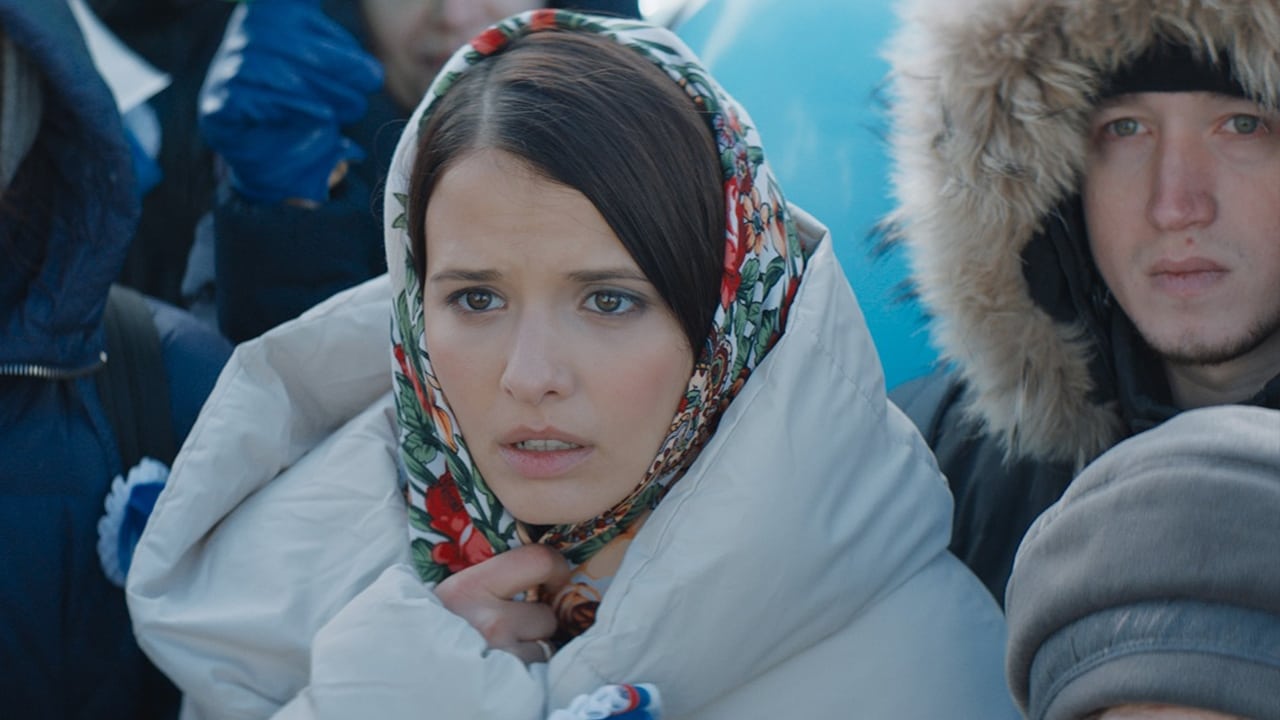
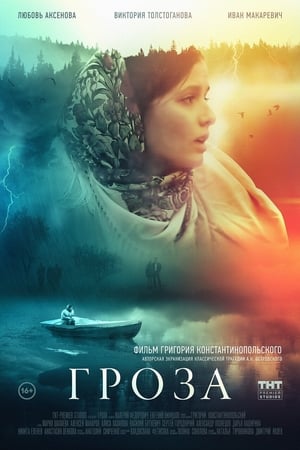


The action unfolds in our days, in the small Volga town of Kalinov, where nothing has changed since the days of Alexander Ostrovsky’s classical play: if any rays of light do appear in the dark empire, then they are doomed to perish quietly in the general absurdity and ignorance, or shine brightly as a token of protest against lie and tyranny. The young, married girl Katerina Kabanova leads a happy life — at first sight. Only her mother-in-law Kabanikha constantly nags her and does not allow her to take things easy. Her weak-willed husband Tikhon loves his wife, but he always sides with his powerful mother. When Katerina unexpectedly falls in love with Boris, the young relative of the town’s mayor, she finds that he also has tender feelings for her…
Overall, The Shining is a great film to watch for its atmosphere and setting. While the characters’ portrayals could’ve been more accurate to the book, they’re all still memorable nonetheless.
This action thriller is made with the hope that the black youth of America will feel empowered, and realize the significance of their heritage.
With a cast of exceptional and exclusively openly gay actors, "Boys In The Band" takes on themes of homophobia, racism, vanity, and substance abuse.
'Tuca and Bertie' (2019) is an animated series centering around best friends of the same name as they traverse the challenges of their thirties.
Many have interpreted Maya Deren’s Meshes of the Afternoon as a dream sequence, but what if the repetitive scenes we are given are not dreams but, a time loop.
From being unfairly outed, to going after the life you want for yourself, these songs from 'Frozen' perfectly capture the journey out of the closet.