



Dead Poets Society Steals a Queer Story
Dead Poets Society relies on patriarchal tropes such as overbearing fathers, contrived brotherhood, and faux-individuality in order to portray its straight white male characters as oppressed.
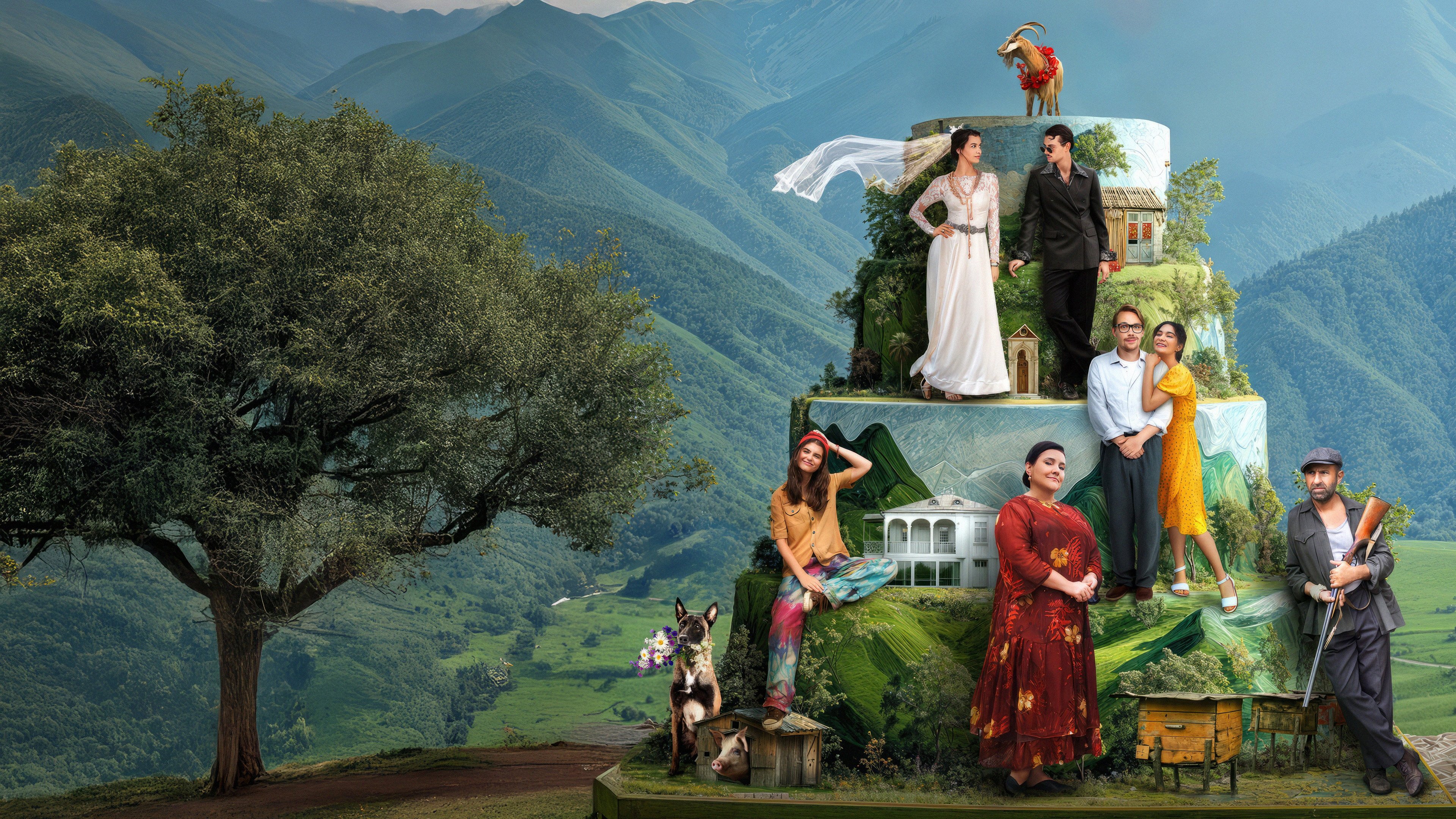



The village of Khuap, Abkhazia. Amra, a well-known rebel and prankster, is about to graduate from school. Her lifelong dream is to become an actress, and her mother Nutsa's dream is to successfully marry off her two older sisters as soon as possible. Amra does not want the same fate, so she fraudulently applies for acting, assuring Nutsa that she is entering medicine. However, the plan fails when her mother finds out that her daughter has been leading her on. There can be no talk of entering acting, since Nutsa considers all actresses unworthy. The disappointed mother tells Amra that she will only take care of her fate after she marries off her older daughters. Now, to fulfill her dream, Amra needs to speed up the marriage of her older sisters or run away from home.
Dead Poets Society relies on patriarchal tropes such as overbearing fathers, contrived brotherhood, and faux-individuality in order to portray its straight white male characters as oppressed.
'The Invisible Man' triumphs in tension even as it drops the ball on genuine surprise for the audience.
It doesn’t offer an absolute answer for the dialectical ethical questions that emerged in search of justice but portrays the characters as living people beyond the identities of victims.
It’s not often in America that you turn on the TV and see a show or a movie with a Muslim protagonist. And when they do, they're usually a negative stereotype. Ms. Marvel changes all of that.
The new Scooby Doo movie that will give viewers the frightening adventure of their lives.