

What Does a Sympathetic Portrayal of Sexual Assault on Screen Look Like?
As Sexual Assault Awareness Month comes to an end, I’d like to urge viewers and filmmakers to take a long and hard look at how rape is portrayed on screen.
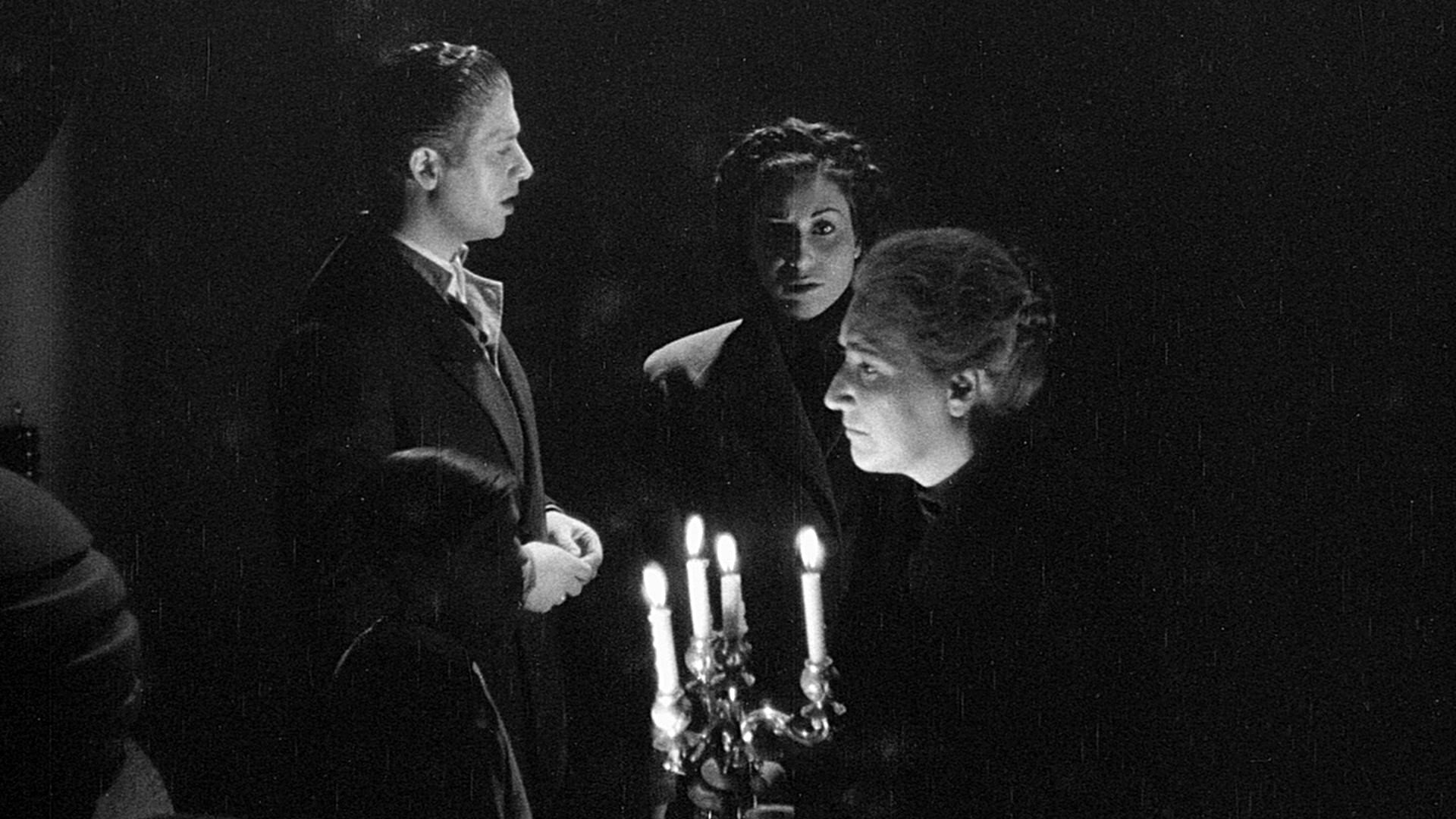
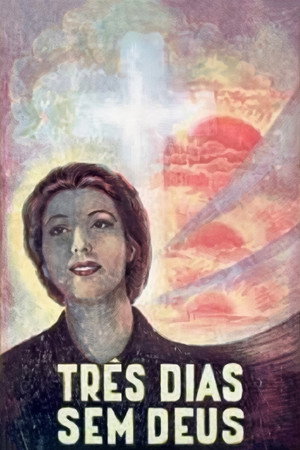


Shown in Cannes 1946, most of the film was lost and only 32 minutes of images with no sound survive today. An elementary school teacher, Lídia, is placed in an isolated village in the mountains and on the first day of school the doctor informs her that she will have to go away with the priest for three days. These will be the three godless days of the title, in which the young teacher will meet the lord of the hill, Paulo Belforte, who is feared by the whole village for allegedly setting fire to the church and for having tried to murder his own wife. Due to a series of misunderstandings, the villagers turn against Lídia and Belforte, to the point where at the end there is a torchlight procession to purify the diabolical events of Casal de Lobos. But all ends well, and peace is restored through (semi-)divine influence...
As Sexual Assault Awareness Month comes to an end, I’d like to urge viewers and filmmakers to take a long and hard look at how rape is portrayed on screen.
Disney has cleverly managed to dance around the misdeeds of their past by scraping by with an insincere action that does very little to incite any long-lasting positive changes.
The Franke kids seemingly lived a normal life, until their mom met the infamous Jodi Hilderbrandt.
I think that the happiness and survival of "Wynonna Earp"’s LGBTQ+ characters is incredibly refreshing in contrast to the prevalence of queer suffering and death in other television.
Welcome to Ryan Reynold's world. Dwyane Johnson, Gal Gadot and us are just living in it. Is he acting? I think he is, it's just the question of it's believable anymore.
I hadn’t heard of it either until recently—and yet, it’s one of the highest grossing movies of all time.