






Incluvie – Better diversity in movies.
Identity in film with Incluvie stamps, scores, reviews.

Incluvie – Better diversity in movies.
Explore identity in film with Incluvie stamps, scores, reviews, and insights.

trailer banner
Three Coins in the Fountain poster

Three Coins in the Fountain (1954)

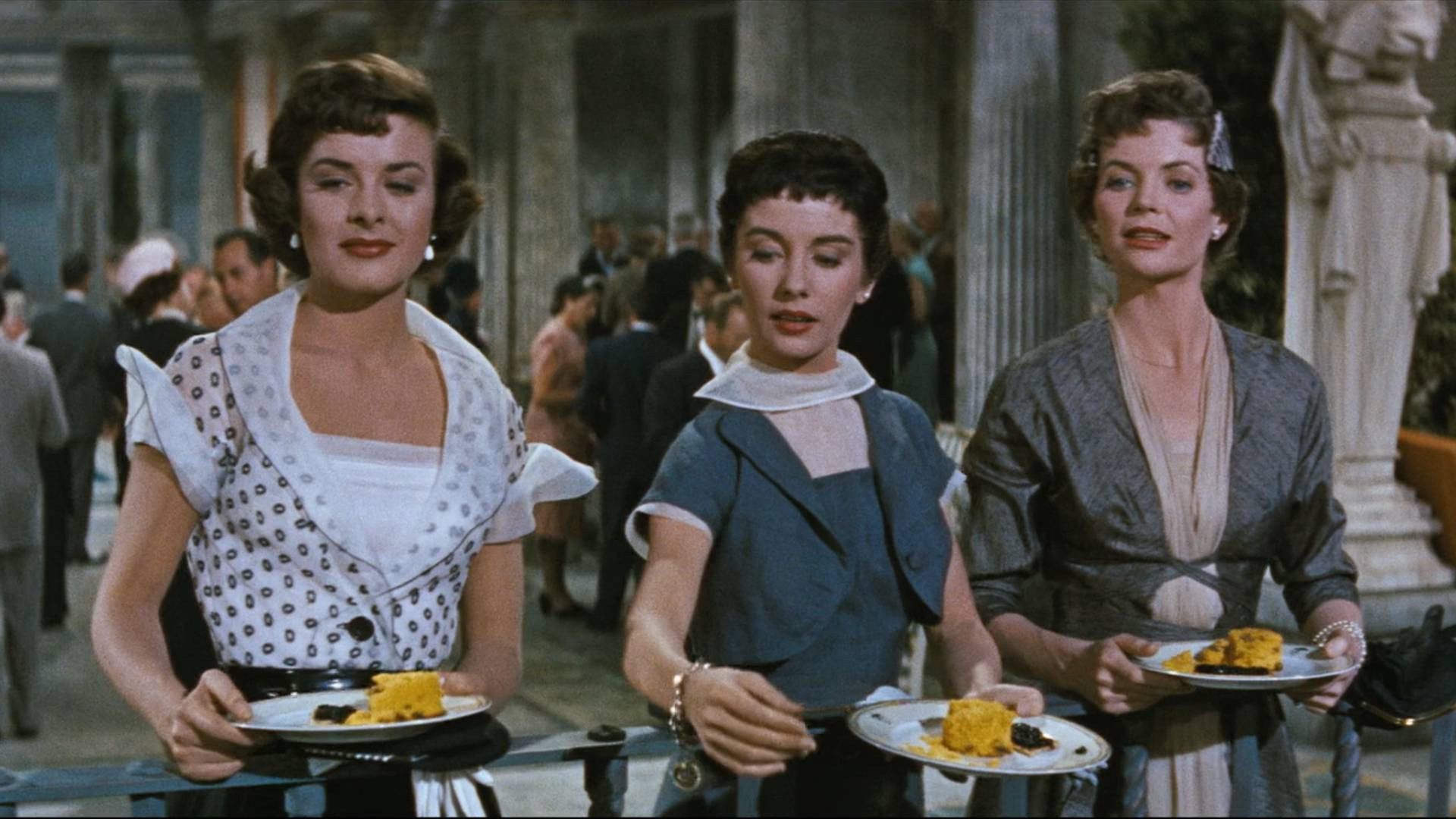
Three American roommates working in Italy wish for the man of their dreams after throwing coins into Rome's magnificent Trevi Fountain. Frances, a secretary at a government agency, sets out to win the heart of her smooth-talking novelist employer; Anita, her coworker, defies office regulations by romancing an Italian who works at the agency; and office newcomer Maria meets a real Italian Prince Charming and falls madly in love. The only thing the three hopeful ladies need to do is seal their fate.
- / 5
PopScore
Representation

Pictures and Videos


Incluvie Gala

Movie Information


Three American roommates working in Italy wish for the man of their dreams after throwing coins into Rome's magnificent Trevi Fountain. Frances, a secretary at a government agency, sets out to win the heart of her smooth-talking novelist employer; Anita, her coworker, defies office regulations by romancing an Italian who works at the agency; and office newcomer Maria meets a real Italian Prince Charming and falls madly in love. The only thing the three hopeful ladies need to do is seal their fate.

Rating:G
Genre:Drama, Romance
Directed By:Jean Negulesco
Written By:John Patrick
In Theaters:5/1/1954
Box Office:

Runtime:102 minutes
Studio:20th Century Fox

Articles You May Like


Y tu Mamá También: A Profound Exploration of Mexican Society and Self-Discovery

Years before Mexican director, Alfonso Cuaron, was winning Academy Awards for movies like Gravity (2013) and Roma(2018), he directed a small, intimate film about two best friends who decide to embark on an improvised road trip to spend time with an older, attractive woman who miraculously agrees to go with them. Y tu Mamá También is a deep journey into the raw sexuality and friendship of the young protagonists, as well as a subtle social and political commentary on Mexico at the time.

Raul Flores