



Incluvie – Better diversity in movies.
Identity in film with Incluvie stamps, scores, reviews.

Incluvie – Better diversity in movies.
Explore identity in film with Incluvie stamps, scores, reviews, and insights.

trailer banner
This Man Escaped the Iron Curtain by Zip Line poster

This Man Escaped the Iron Curtain by Zip Line (2018)

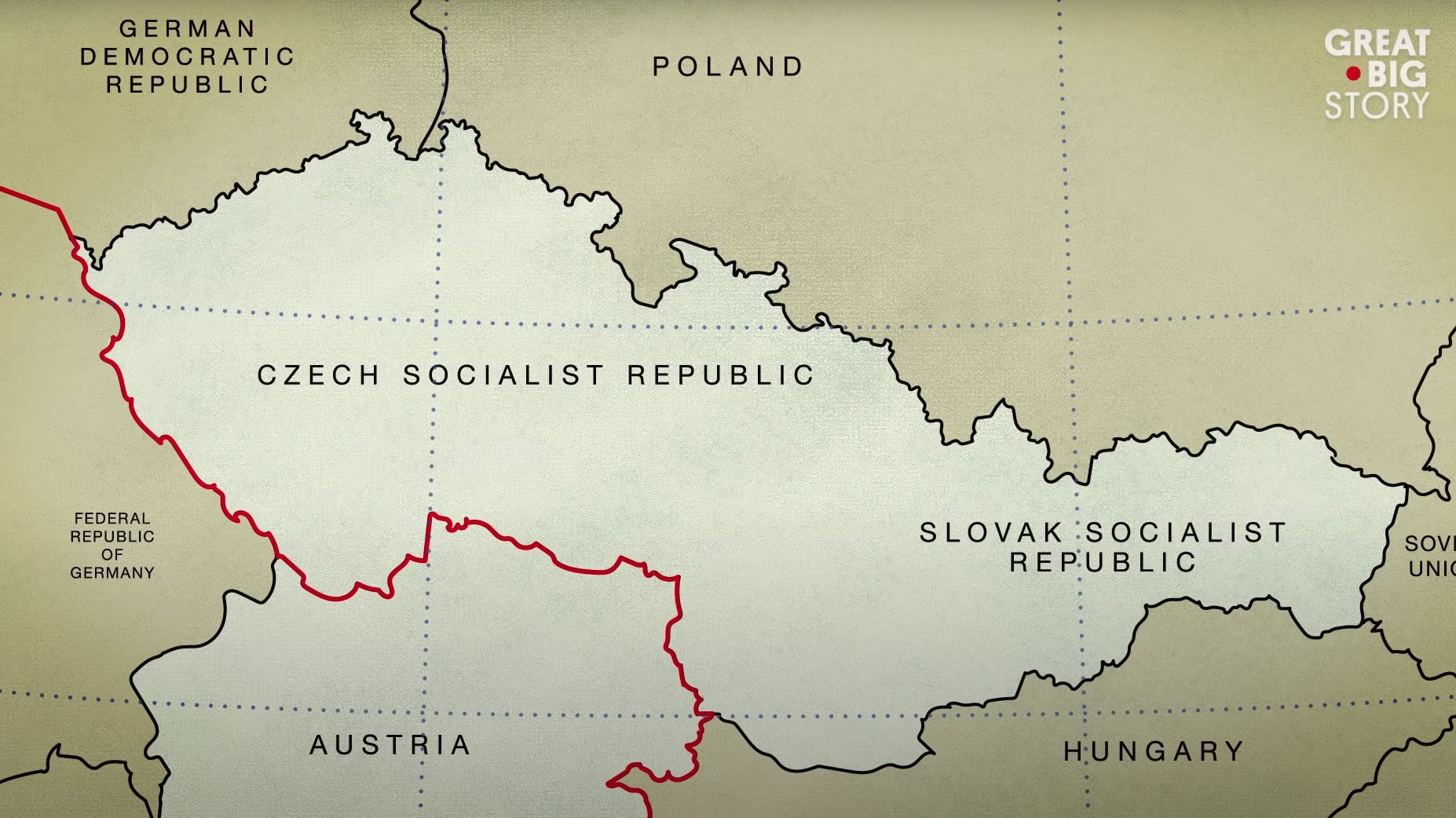
In 1986, Daniel Pohl was stuck in communist Czechoslovakia, looking for a way to escape life under totalitarian rule. His exit strategy was unusual, to say the least. After realizing that he could not rely on traditional forms of transport, Daniel chose to zip line his way to freedom. After teaming up with a physicist, the two devised a plan using a series of DIY pulleys. Thankfully, his journey proved to be mission possible as he successfully crossed the Iron Curtain, making a safe escape into Austria.
- / 5
PopScore
Representation

Pictures and Videos


Incluvie Gala

Movie Information


In 1986, Daniel Pohl was stuck in communist Czechoslovakia, looking for a way to escape life under totalitarian rule. His exit strategy was unusual, to say the least. After realizing that he could not rely on traditional forms of transport, Daniel chose to zip line his way to freedom. After teaming up with a physicist, the two devised a plan using a series of DIY pulleys. Thankfully, his journey proved to be mission possible as he successfully crossed the Iron Curtain, making a safe escape into Austria.

Rating:
Genre:Documentary
Directed By:Michael Fequiere
Written By:
In Theaters:6/8/2018
Box Office:

Runtime:4 minutes
Studio:Great Big Story

Articles You May Like


Y tu Mamá También: A Profound Exploration of Mexican Society and Self-Discovery

Years before Mexican director, Alfonso Cuaron, was winning Academy Awards for movies like Gravity (2013) and Roma(2018), he directed a small, intimate film about two best friends who decide to embark on an improvised road trip to spend time with an older, attractive woman who miraculously agrees to go with them. Y tu Mamá También is a deep journey into the raw sexuality and friendship of the young protagonists, as well as a subtle social and political commentary on Mexico at the time.

Raul Flores