



Could ‘Wakanda Forever’ Be Nominated For Best Picture?
Being made after the death of Chadwick Boseman will be a hard but exciting ride for this Marvel entry.
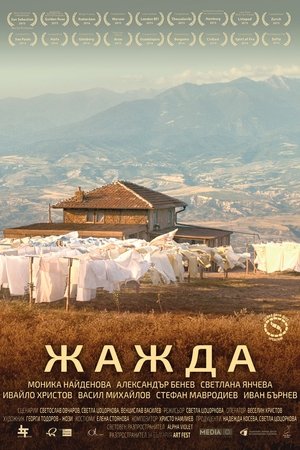


A couple and their teenage son eke out a living on a hilltop, doing the laundry for local hotels, despite the intermittent water supply. Their simple life is overturned by the arrival of a father-and-daughter team of diviner and well-digger, who promise to bring an end to this precarious existence by finding a source on their arid hill. But ultimately, these newcomers quench a thirst far greater than than the simple need for water.
Being made after the death of Chadwick Boseman will be a hard but exciting ride for this Marvel entry.
Overall, Sand Castle was another lack luster war drama that will eventually fade into the many similar war dramas I have seen throughout my life.
I suppose you could argue that the story wasn’t what Director James Cameron was aiming for, it was the visuals. The spectacle of it all was the point, and it certainly shows.
The Weight is highly recommended, will transport you back to its Great Depression-era setting and will have you rooting for the protagonist harder than most films this year
Alongside A Drowning Man, I Signed The Petition, 3 Logical Exits, and A World Not Ours, A Man Returned continues to paint a realistic portrait of the Refugee Crisis that eschews the Western gaze and stereotype. These are real portraits painted by a director with lived experience, cultural connection and an amazing eye for visuals.