

'Moonlight': A Retrospective on Barry Jenkins' Masterpiece
Barry Jenkins' masterpiece holds up as the story of a lifetime centered on the intersection of Blackness and gay identity.
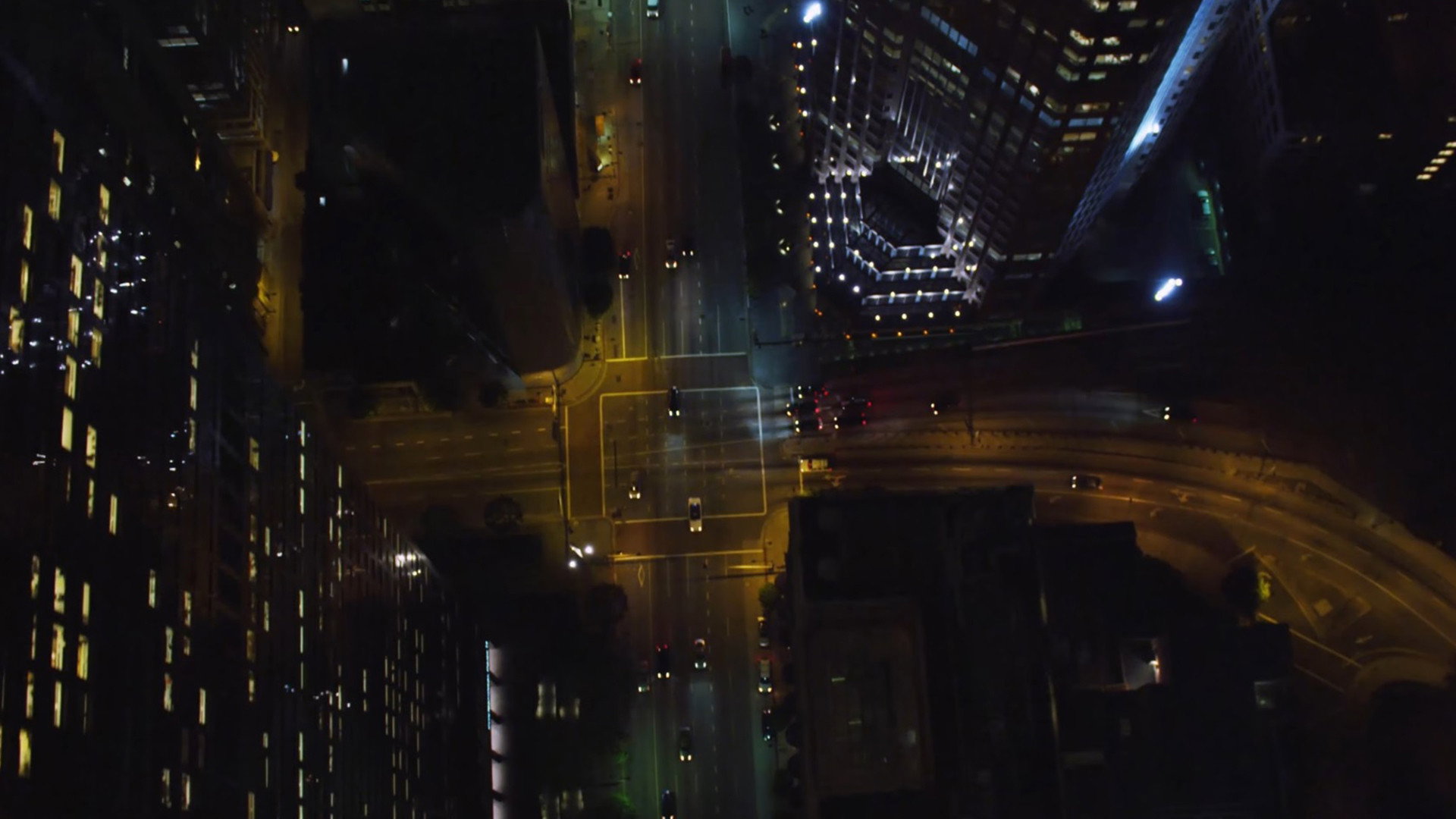
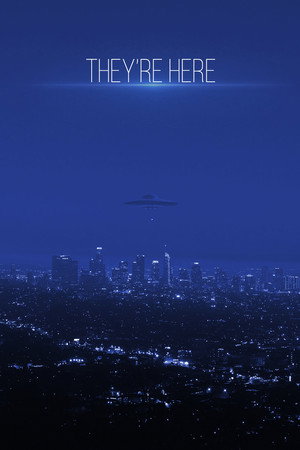


While shadowing a renegade news crew on the streets of Los Angeles, a young intern discovers their latest assignment may involve something not of this world.
Barry Jenkins' masterpiece holds up as the story of a lifetime centered on the intersection of Blackness and gay identity.
Over the last several years, I have had the privilege of being one of the critics having the opportunity to watch and review several films from writer/director/producer Marcellus Cox, whose efforts are never anything less but grounded, relevant, and steeped in unflinching glimpses illustrating the gripping, inspired, and ever-vacillating realms that make up the human condition.
The more we learned with each passing minute the bigger the reveal. This film ends with a serious bang and it was truly a joy to watch.
In a world where we hear ringers and beepers at every corner, technology feels inescapable. This is why technology is often an enemy in Digital J-horrors, like One Missed Call.
For the entirety of Raiders of the Lost Ark, Marion remains in full control of both her body and her personality, a rarity for female characters at the time of the film’s release. She’s granted depth with personal demons from her past and emotional vulnerability when the situation deems it appropriate for her to grow alongside Indy. She avidly rejects the notion of being anything other than a sassy, humane rebel, and Indy’s equal in every way. This she does while still maintaining her femininity.
I love The Last Jedi. I don’t think there has been a Star Wars movie in quite some time that brought something new, something fresh to the table.